Measuring behaviours as a part of change adoption is a key part of effective change management, ensuring the full achievement of initiative benefits and helping practitioners understand whether impacted stakeholders are truly moving toward the future state. Behaviour change, particularly in domains like physical activity and health behavior, has been the subject of significant empirical research, with findings published in major outlets like Google Scholar. To design behaviour change interventions and select the right behaviours to measure, change practitioners should take a structured approach, informed by research findings and practical experience. There are different approaches to effective measurement and we explore some of these.
Selecting the Right Behaviours to Measure
Start with a clear understanding of the initiative’s objectives, the current state, the complexity of the change, different impacts, the change approach, target behaviours, and the quantum of the change being introduced. Not every behaviour is equally important; focus on the key elements most closely tied to initiative success and the full adoption of behaviours required for the future state.
Consider the impacted person’s perspective toward the desired future state: What will they have to do differently? From adopting new physical behaviours (such as physical effort required in physical activity interventions) to changes in decision-making or collaboration, choose behaviours that best reflect actual change, not just awareness or intent.
Prioritize observable and measurable actions. Research suggests that reminders of events or structured prompts can support behaviour change, but measuring the visible results of these reminders—such as compliance rates, social norm adherence, or reduction in social deviance—is essential for meaningful metrics.
Design and Measurement Considerations
Resist the heavy design of change interventions that lead to measurement overload. Simplicity and ease of understanding are crucial, both for those being measured and those collecting the data.
Draw from behavioral change frameworks supported by significant empirical research. For example, a Stanford professor’s work on social norm dynamics highlights how aligning behaviours with group expectations—rather than just individual compliance—can create more durable change.
Integrate measurement as part of a series of change interventions. Behaviour rarely shifts overnight; structured reinforcement, monitoring, and feedback, as supported by research findings, are necessary for full adoption.
Best Practice Tips
Use multiple sources of data: direct observation, self-reports, digital analytics, and reminders of events all have roles in robust measurement systems.
Anchor behaviour change efforts to broader elements like organizational culture (social norms) and systems for monitoring and feedback, to sustain behavioural change and minimize social deviance.
Apply the old adage, “what gets measured, gets managed,” but with the right focus—select measures tightly linked to initiative success.
Ultimately, successful behaviour change – and its measurement – depends on aligning the structured approach of change management with an empathy for the impacted person’s journey. Choosing the right behaviours to measure, grounded in significant empirical research and designed for ease of understanding, supports not only the full achievement of initiative benefits but also continuous improvement for future state readiness
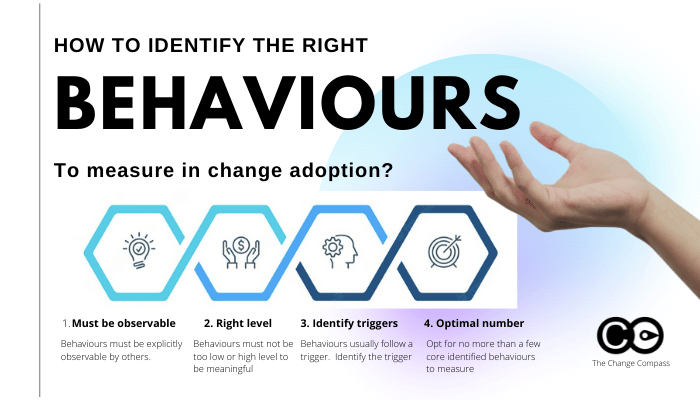
Whilst there could be a wide range of different behaviours depending on the initiative in concern, what are some of the tips in selecting the right behaviours to measure?
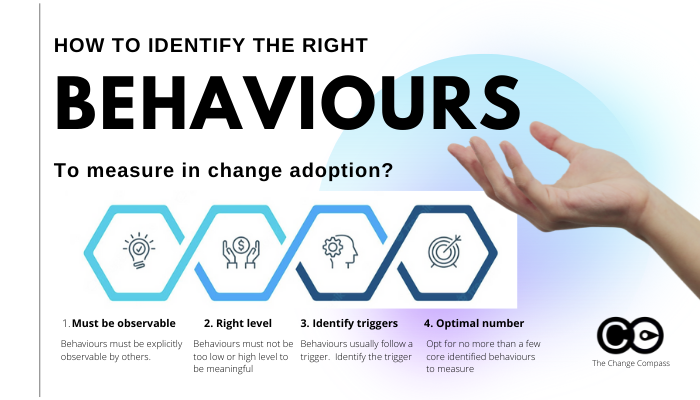
Check out our infographic on the top 4 elements to pay attention to when measuring behaviours as a part of change adoption metrics. Also check out Dr BJ Fogg’s model (Stanford University) on effective behaviour change.
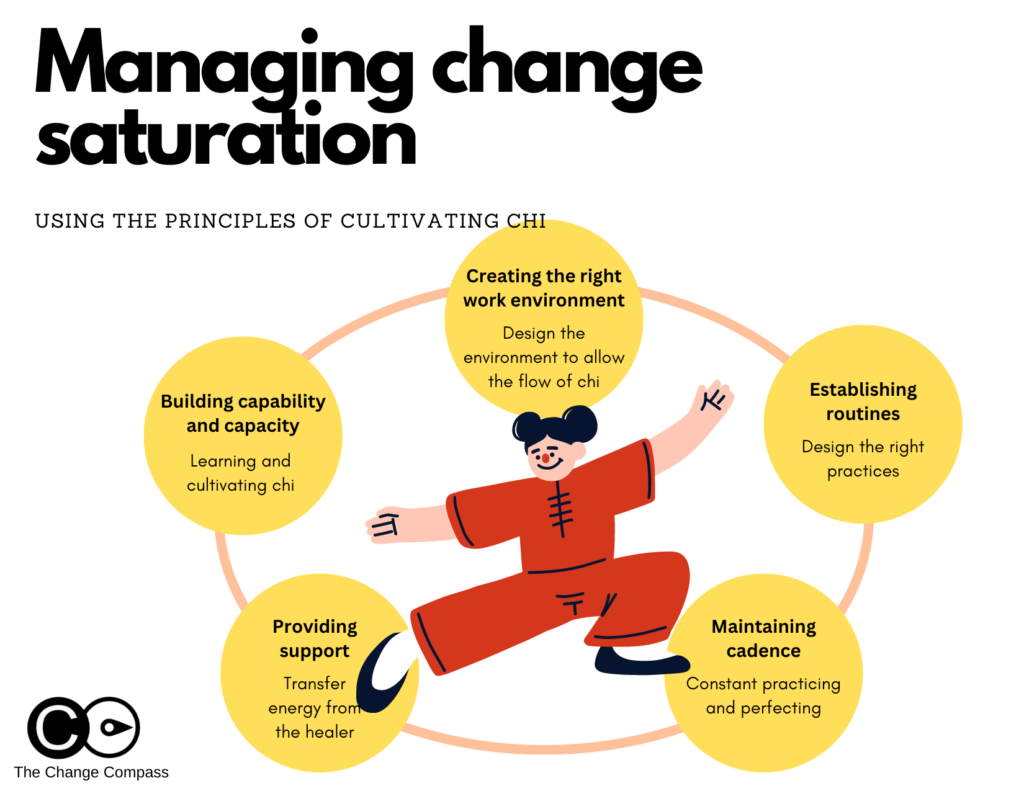
Managing change saturation and change fatigue can be tricky, but a common occurrence and a status quo for large companies when various types of changes occur in unison. External factors mean that the volume of change is often necessary. It is not necessarily something you can see or touch. It can be hidden. It can be hearsay. Without the right data organisations can miss the risk. Missing the risk can mean that your organisation suffers from performance drops, and at the same time your changes are not adopted. Managing the risk or presence of change saturation can be complex. In this article we leverage the principles of chi (as a change management model or a change management framework) to manage this people side of change.
Understanding Change Saturation
In the field of change management managing change saturation as a part of the change management strategy is essentially about managing the organizational energy. When an organization experiences too many organisational changes at once, it can lead to fatigue, resistance, and decreased productivity among employees. In the history of change management the volume of change has been increasing. Just like in traditional Chinese medicine, where the flow of chi, or vital energy, through the body is crucial for good health, the flow and maintenance of energy within an organization is essential for its success.
The Principle of Chi
In Chinese philosophy, chi is the fundamental life force that flows through all living beings and the universe. It is the energy that animates and sustains everything. The concept of chi can be applied to organizations as well, like change models, where it represents the energy that drives processes, interactions, and productivity. Chi is recognized as the energy that flows beyond the physical, connecting us with universal energy.
By understanding and applying the principles of chi, organisations can effectively manage their energy and navigate through periods of change without succumbing to saturation during transformational change, even with limited business and change management resources. Just as in traditional Chinese medicine, where balance and harmony are essential for optimal health, maintaining balance and harmony within the organization is crucial for its well-being.
Symptoms of Change Saturation
Before delving into techniques for managing change saturation, it’s essential to recognize the symptoms of organisational change when the process of change involves major changes. From an individual change perspective, symptoms may include:
Burnout: Employees may feel overwhelmed and exhausted by the change management process, leading to decreased motivation and productivity.
Resistance: There may be increased resistance to change as employees become fatigued from constant transitions, losing any sense of urgency for the change.
Stress: High levels of stress and anxiety can manifest in physical and emotional symptoms such as headaches, insomnia, and irritability.
From an organizational perspective, symptoms may include:
Decreased Performance: The organization may experience a decline in overall performance and efficiency.
Increased Turnover: Employees may leave the organization due to stress and burnout.
Lack of engagement: Employees may not engage with where the organisation is heading and not feel invested.
Lack of Innovation: Change saturation can stifle creativity and innovation as employees focus on managing constant changes rather than exploring new ideas. During times of anxiety and stress, there is not sufficient mental capacity for innovation.
Recognizing these symptoms is a key step in addressing change saturation and restoring balance to the organization.
Managing Chi in Change Management
Just as traditional Chinese medicine emphasizes practices to cultivate and balance chi within the body, organizations can adopt techniques to manage their energy and navigate through periods of change effectively as a part of the change management plan.
Some of these techniques to result in successful change management include:
Building Capability and Capacity:
Building capability in managing change is essential for ensuring that employees have the skills and knowledge needed to navigate through periods of change effectively. Ideally this is already part of the company culture and part of driving continuous improvement and operational efficiency through capability. This is similar to the process of developing and cultivation chi through learning. In a similar vein, change practitioners can take practical steps within a structured process to build capability within their organizations which will increase the capacity for change, including:
Training and Development Programs: Implementing training and development programs focused on change management principles, methodologies, and best practices. These programs can include workshops, seminars, online courses, and coaching sessions to help employees develop the necessary skills and competencies for managing change.
Change Leadership Development: Investing in the development of change leadership skills among managers and leaders within the organization. Change leaders play a critical role in driving change initiatives forward, communicating effectively with employees, and fostering a culture of openness and adaptability. Leaders have a significant impact on the change outcome so this is critical.
Mentorship and Coaching: Establishing mentorship and coaching programs where experienced change practitioners can mentor and support business leaders (or those whose job roles involve leading change) at an individual level who are new to change management. This provides valuable guidance and support to individuals as they navigate through change initiatives and develop their skills over time to develop their sense of change.
Communities of Practice: Creating communities of practice where change practitioners can come together to share knowledge, experiences, and best practices at a regular basis. Those from different disciplines may be welcome. These communities provide a platform for collaboration, learning, and networking among individuals with a shared interest in change management.
On-the-Job Learning Opportunities: Providing employees with opportunities to apply their change management skills in real-world scenarios during the implementation phase is one of the most effective ways for learning. This can include participating in change projects, leading change initiatives, and taking on new roles and responsibilities that require them to apply their knowledge and expertise in managing change.
Establishing Routines:
Establishing routines and processes for managing change helps create structure and consistency within the organization. Think of this like exercising to develop the chi. Through exercises chi practitioners can harness the energy flow through controlled movements. Regular practices to cultivate and manage chi are essential. Change practitioners can implement the following practical routines to ensure that change initiatives are effectively managed and monitored:
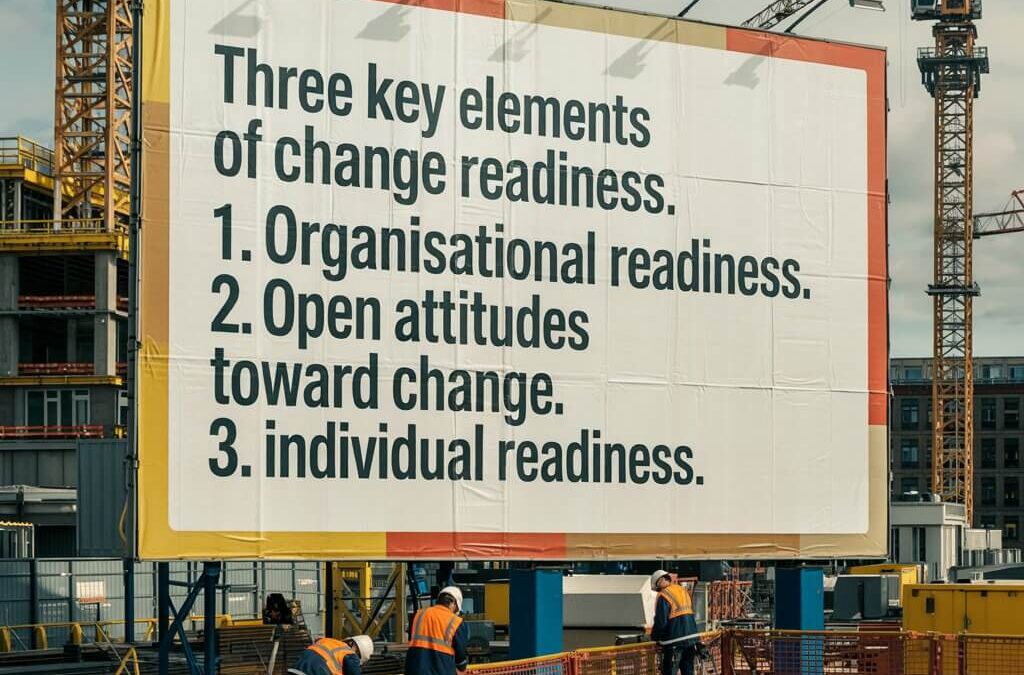
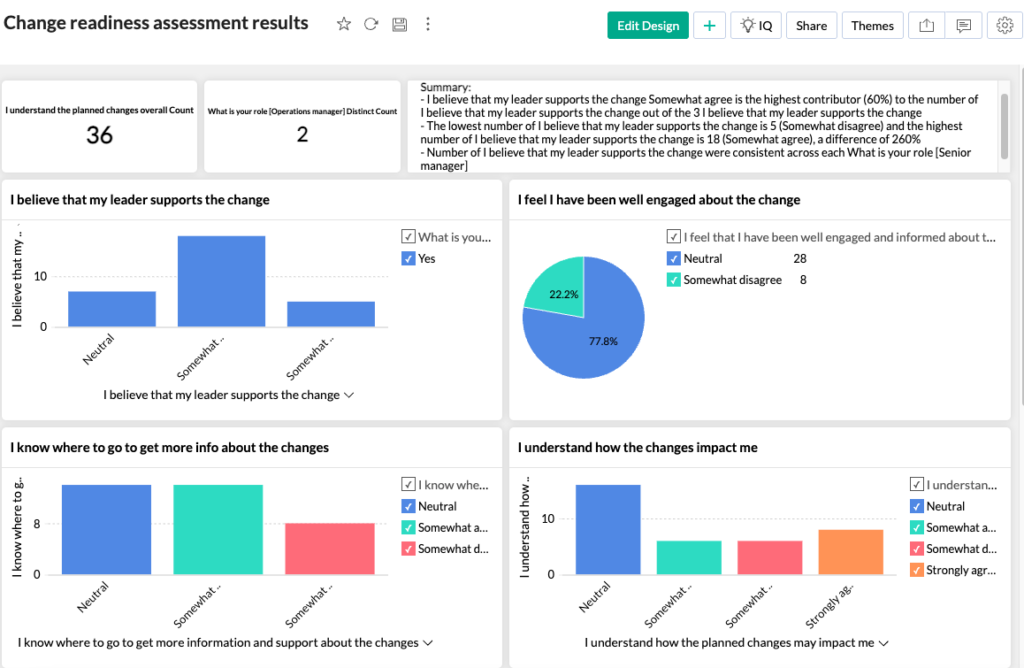
Change Readiness Assessments: Conducting regular change readiness assessments across large projects to gage the organisation’s readiness for upcoming change initiatives and any changes in new business processes. This involves assessing factors such as employee readiness, organizational readiness, and potential barriers to change.
Effective change communication channels: Having effective communication channels that provide community based information flow and discussions as well as 2-way information sharing between the leadership and employees is critical. Effective communication channels need to be managed and promoted to ensure they are working to support change communication goals.
Change Governance: A part of practicing change is about regularly reviewing change data and making decisions to improve how change is managed and how change is implemented. This also includes ongoing monitoring of the capacity of change and any risks of change saturation. Ultimately, making the right decision on the prioritisation and sequencing of change has significant impact on change saturation.
Change Monitoring and Reporting: Establishing mechanisms for monitoring and reporting on the progress and employee adoption of change initiatives. This may include regular status updates and progress reports to feed data requirements of change governance bodies and identify areas for improvement. Collecting and reviewing change data should be viewed as a part of managing business (business as usual) vs. an ‘extra’ task.
Providing Support:
In the manipulation and healing of chi this is about transferring the energy from the healer to the patient to restore balance and health. Techniques like Reiki, Qigong healing, and therapeutic touch are popular forms. Likewise in change management, providing support to employees throughout the change process is essential for mitigating resistance, reducing stress, and fostering a culture of resilience.
Change practitioners can offer practical support in the following ways:
Change Champion Networks: Establishing change champion networks comprised of enthusiastic and influential employees who can help drive change initiatives forward within their respective teams or departments. Change champions serve as advocates for change, providing support, encouragement, and guidance to their colleagues throughout the change process. Change champions may be leaders or even project managers.
Change Coaching and Mentoring: Offering one-on-one coaching and mentoring support to employees who may be struggling to adapt to change. This provides individuals with a safe space to express their concerns, seek guidance, and develop coping strategies for managing change effectively.
Change Support Resources: Providing employees with access to resources and tools to support them through the change process. This may include training materials, job aids, self-help resources, and online support forums where employees can access information, share experiences, and seek assistance from their peers.
Leadership Support and Involvement: Engaging leaders and managers at all levels of the organization in supporting change initiatives and modeling desired behaviors. Leaders play a crucial role in setting the tone for change, communicating the vision, and demonstrating their commitment to supporting employees through periods of transition.
Employee Assistance Programs: Offering employee assistance programs (EAPs) or counseling services to employees who may be experiencing stress, anxiety, or other emotional challenges related to change. Providing access to confidential counseling and support services can help employees cope with the emotional impact of change and build resilience over time.
Creating the Right Work Environment:
Managing chi is not just about the individual, it also extends to the environment (just like the definition of change management includes the environment). To harness good chi, factors such as room layout and the overall design of the environment are also important. The goal is to create an environment where chi can flow freely, bringing balance, health and prosperity.
Creating a supportive work environment can foster chi, and is essential for fostering resilience, innovation, and collaboration within the organization. Change practitioners can take practical steps to create the right work environment for managing change, including:
Promoting Psychological Safety: Creating a culture of psychological safety where employees feel comfortable expressing their ideas, concerns, and feedback without fear of reprisal or judgment. Psychological safety encourages open communication, trust, and collaboration, which are essential for navigating through periods of change. This needs to be modelled and supported through leaders.
Encouraging Flexibility and Adaptability: Encouraging flexibility and adaptability among employees by promoting a growth mindset and embracing change as an opportunity for learning and growth. Providing opportunities for employees to develop new skills, explore new roles, and take on new challenges can help foster a culture of resilience and agility within the organization.
Fostering Collaboration and Teamwork: Fostering a collaborative and inclusive work environment where employees feel valued, respected, and empowered to contribute their unique perspectives and talents. Encouraging cross-functional collaboration, team-building activities, and knowledge sharing helps break down silos and promote a sense of unity and common purpose among employees.
Providing Adequate Resources and Support: Ensuring that employees have access to the resources, tools, and support they need to succeed in their roles and navigate through periods of change effectively. This may include providing training and development opportunities, allocating sufficient time and resources for change initiatives, and offering ongoing support and guidance from leadership.
Celebrating Success and Milestones: Celebrating success and milestones along the change journey to recognize the efforts and achievements of employees. Acknowledging progress, rewarding contributions, and celebrating successes helps build morale, motivation, and momentum for future change initiatives.
Maintaining Cadence:
Maintaining a consistent cadence for change initiatives helps prevent overload and fatigue, ensuring that change is managed effectively and sustainably over time. Change practitioners can maintain cadence by:
Setting Realistic Timelines and Milestones: Setting realistic timelines and milestones for change initiatives based on the organization’s capacity and resources. This involves carefully planning and sequencing change activities to avoid overwhelming employees and minimize disruption to day-to-day operations.
Prioritizing and Sequencing Change Initiatives: Prioritizing change initiatives based on their strategic importance, urgency, and impact on the organization. This helps focus resources and attention on the most critical changes while ensuring that less urgent changes are managed effectively within the organization’s capacity. The sequencing and design of change impact activities across all initiatives is also critical as this shapes the experiences of employees.
Maintaining Governance and Oversight: Maintaining the right governance structures and oversight mechanisms to ensure that change initiatives are aligned with organizational goals, objectives, and priorities. This may include ensuring the right change management committees (including the right numbers of committees), capable change sponsors, and conducting regular reviews and assessments as to the effectiveness of the governance bodies.
Communicating Regularly and Transparently: Communicating regularly and transparently with employees about the status of change initiatives, upcoming milestones, and any changes to plans or timelines. Providing clear and consistent communication helps keep employees informed, engaged, and ensures there are no surprises.
By incorporating these techniques into their change management practices, organizations can effectively manage change saturation and promote a healthy, resilient, and thriving organizational environment. However, one that supports change and is not prone to change saturation.
Change saturation can pose significant challenges for organizations, leading to decreased performance, employee burnout, and resistance to change. By applying the principles of chi and adopting techniques to manage organizational energy, such as developing capability, and cadence and creating the right environment, organizations can navigate through periods of change more effectively and promote a culture of resilience, innovation, and well-being. Just as in traditional Chinese medicine, where balance and harmony are essential for good health, maintaining balance and harmony within the organization is crucial for its success in an ever-changing world.
To read up more about managing change saturation check these out:
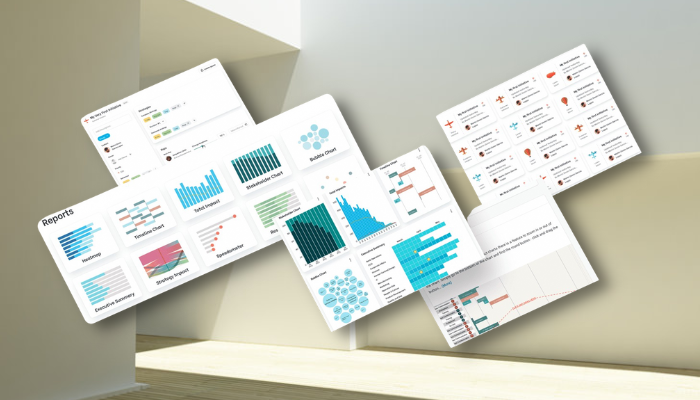
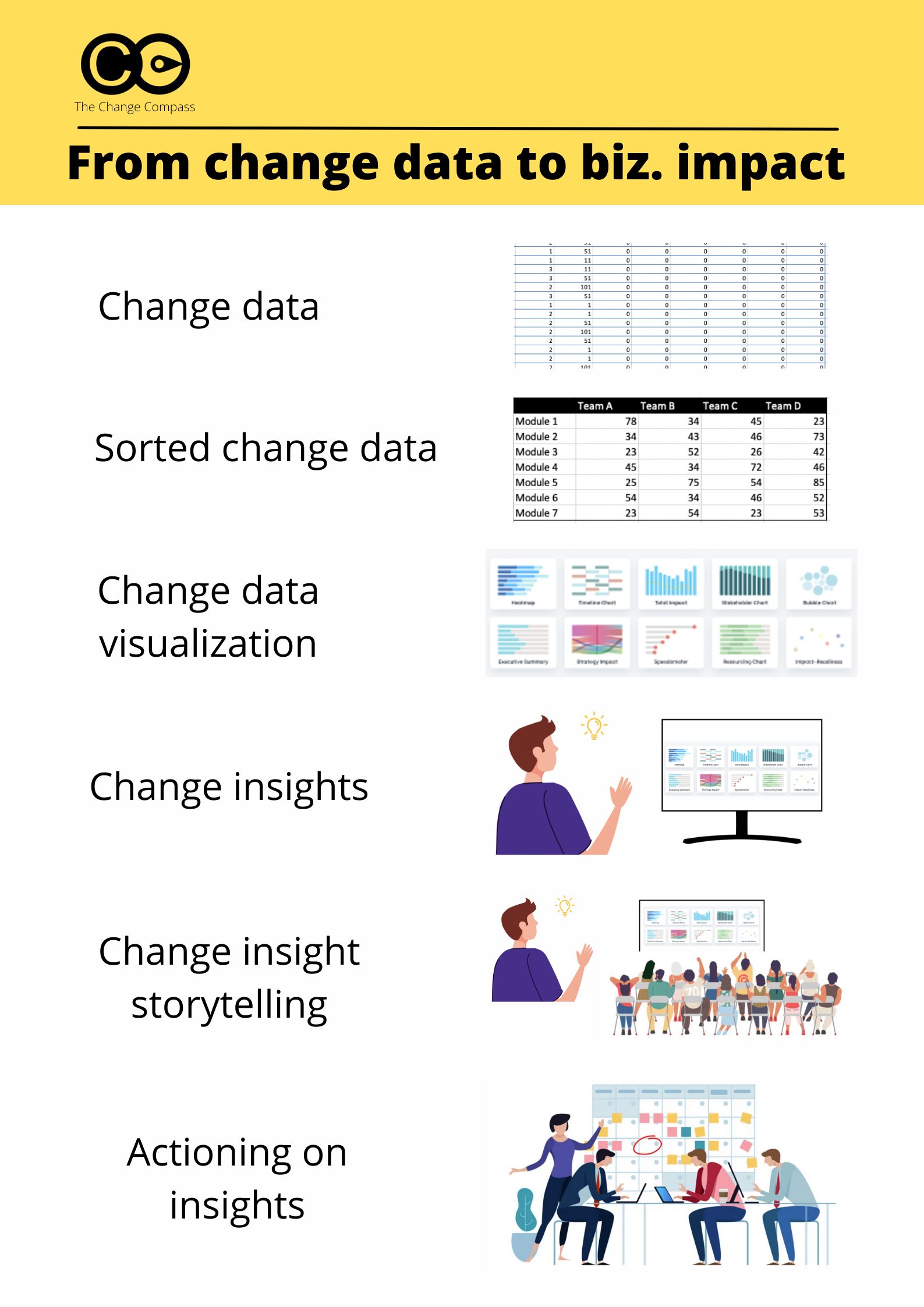
Here is a powerful infographic template that highlights the key steps from change management data, sorted change management data, change management data visualization, generating change insight, storytelling the change insights generated, and actioning on change management insights.
Gamification for Change Management: Transforming Engagement and Outcomes
Change is a constant in today’s organizations, but ensuring that employees embrace and sustain new ways of working remains a persistent challenge. Traditional change management methods—relying on training, briefings, and compliance checklists—often fail to inspire lasting behavioral change, especially in a post-pandemic world where remote and hybrid work have become the norm. Enter gamification: a powerful, modern approach to driving engagement and adoption during organizational transformation.
What Is Gamification in Change Management?
Gamification is the application of game-like elements – such as points, badges, leaderboards, and rewards—to non-game contexts, particularly to motivate and engage employees during change initiatives (where an AI image may be used). It leverages the psychological principles that make games enjoyable: competition, achievement, recognition, and a sense of progress.
“Gamification is using game-based mechanics, aesthetics and game-thinking to engage people, motivate action, promote learning and solve problems.”
Why Gamification Works for Change Management
Traditional change management is often transactional, focusing on completing tasks and meeting deadlines. While this approach ensures compliance, it rarely addresses the deeper need for emotional and cognitive engagement required for sustainable change. Gamification transforms the change experience from a passive, mandated process into an active, interactive, and rewarding journey.
Key benefits include:
Increased Engagement: Gamification makes learning and change activities more enjoyable, leading to higher participation rates through the use of an app.
Better Retention: Interactive and competitive elements help employees retain new information and behaviors longer than traditional training methods.
Team Collaboration: Multiplayer or team-based challenges foster collaboration and reinforce shared goals.
Scalability: Digital gamification tools can be deployed across large, diverse workforces, ensuring consistent experiences for all employees.
Actionable Insights: Real-time feedback and analytics allow organizations to track progress and adjust strategies as needed.
Practical Examples of Gamification in Change Management
Leaderboards and Badges: Call center agents receive real-time feedback on their performance, earning badges and climbing leaderboards as they adopt new skills and meet KPIs. This friendly competition drives motivation and continuous improvement.
Interactive Serious Games: Companies like Maison du Monde have developed immersive AI video games where employees navigate virtual environments, answer questions, and earn rewards by engaging with the company’s strategic objectives. This approach has proven effective for aligning large, geographically dispersed teams.
Behavioral Rewards Programs: Discovery Insure’s Vitality Drive program rewards drivers for safe behavior, using gamification to encourage positive habits and reduce risk. Similar mechanics can be applied within organizations to promote desired behaviors, such as safety compliance or process adherence.
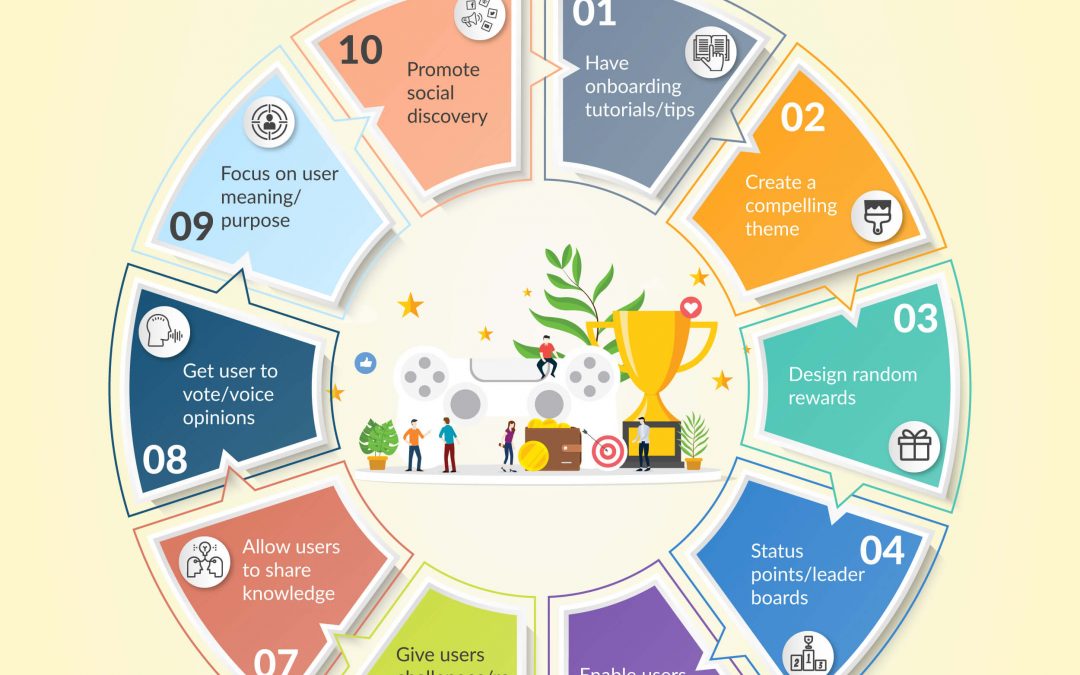
Proven Gamification Tactics for Change Delivery
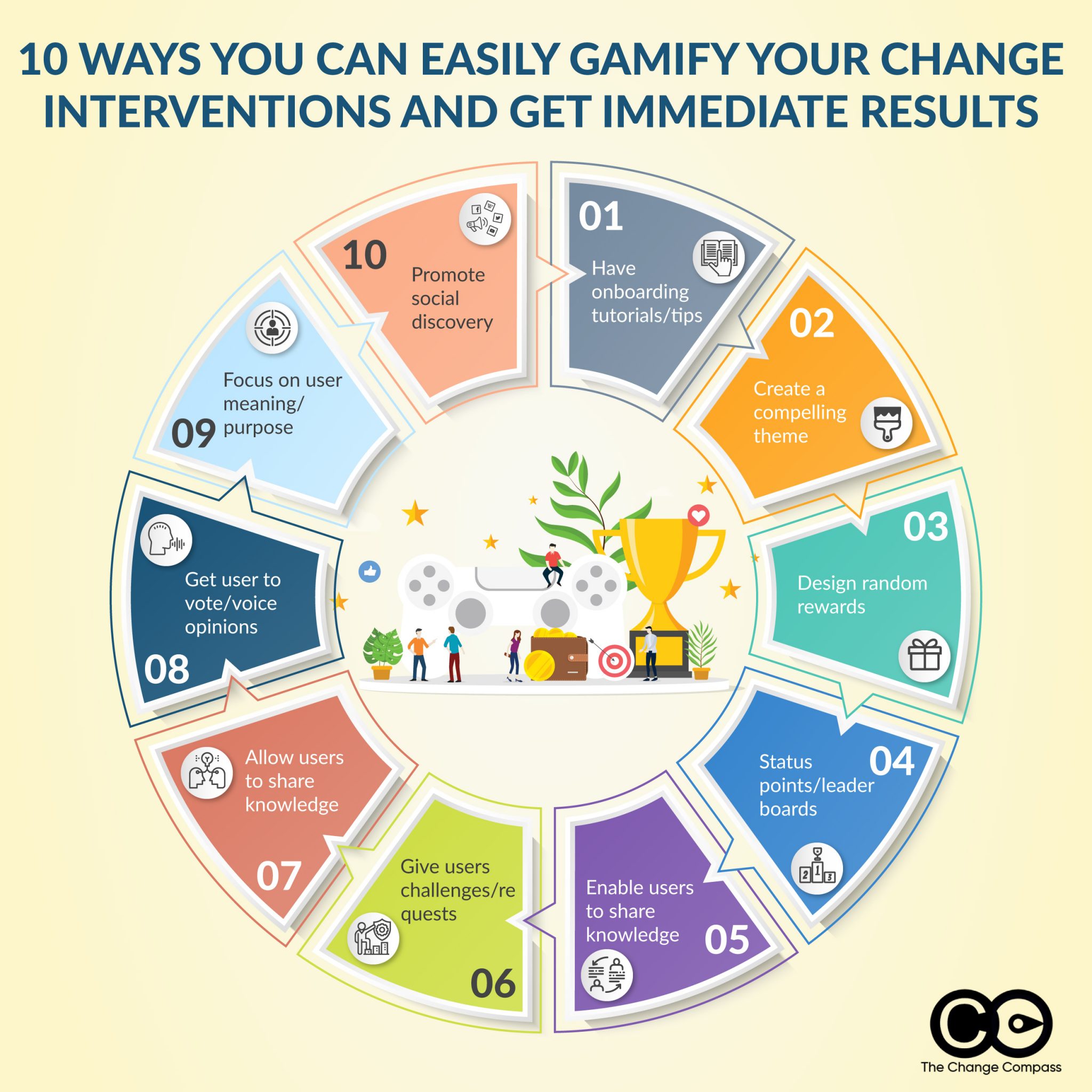
You don’t need to be a gamification expert or invest in expensive software to make a difference. Here are some quick, practical ways to gamify your change initiatives:
Onboarding Tutorials with Interactive Walkthroughs: Replace static training with engaging, context-specific tutorials that guide users through new systems or processes.
Points and Badges for Milestones: Reward employees with points or badges for completing training modules, adopting new behaviors, or contributing ideas.
Leaderboards to Foster Healthy Competition: Display performance rankings to motivate individuals and teams to excel.
Challenges and Quests: Design short-term challenges or quests that encourage employees to explore new tools or processes.
Rewards and Recognition: Offer tangible or intangible rewards for top performers, such as certificates, shout-outs, or small prizes.
Feedback Loops: Provide instant feedback on actions, helping employees see the impact of their behavior in real time.
Collaborative Multiplayer Games: Create team-based challenges that require cooperation to achieve shared goals.
Personalized Progress Tracking: Allow employees to track their own progress and set personal goals.
Fun and Creative Messaging: Use playful language, graphics, and notifications to make the experience more enjoyable.
Analytics for Continuous Improvement: Use data from gamified activities to identify trends, gaps, and opportunities for further engagement.
The Science Behind Gamification
Gamification taps into fundamental human motivators, such as the desire for achievement, recognition, and belonging. By aligning incentives with these motivators—and referencing frameworks like Maslow’s Hierarchy of Needs—organizations can drive quicker and more sustainable adoption of change initiatives. Gamification also leverages principles of operant conditioning, reinforcing desired behaviors through rewards and positive feedback.
Moving Beyond Transactional Change
To truly embed change, organizations must move beyond transactional approaches and create experiences that inspire and engage employees at every level. Gamification provides a bridge between the need for compliance and the desire for meaning and enjoyment in the workplace.
“By integrating gamification into your change management strategy, you can transform passive compliance into active participation.”
Conclusion
Gamification is not just a trend—it’s a proven strategy for making change management more effective, enjoyable, and sustainable. Whether you’re rolling out a new system, driving cultural transformation, or aligning teams around strategic goals, gamification can help you engage employees, reinforce desired behaviors, and achieve lasting results—without the need for expensive software or extensive expertise.
Ready to take your change delivery to the next level? Start small, experiment with different tactics, and watch as your workforce becomes more engaged, motivated, and aligned with your organization’s vision.
Organisational change management software is essential for driving successful adoption of new processes, technologies, and business models.
Modern change management tools offer advanced features, including stakeholder analysis, project tracking, integration, and AI-powered analytics.
Effective adoption of change is critical for business transformation, risk mitigation, and long-term organisational success.
Poor adoption leads to wasted investments, employee resistance, and operational disruptions.
Data-driven insights and predictive analytics are transforming change management from a reactive to a proactive discipline.
Introduction
In today’s fast-evolving business landscape, organisations face continuous pressure to adapt to new technologies, regulatory requirements, and market dynamics. Despite significant investments in transformation initiatives, many organisations struggle to achieve the desired outcomes due to inadequate change adoption. The result: wasted resources, frustrated employees, and missed business opportunities.
Organisational change management (OCM) software has emerged as a critical enabler for driving adoption and ensuring that change initiatives deliver sustainable value. By providing structure, visibility, and actionable insights, these platforms empower leaders and change practitioners to manage complexity, minimize disruption, and maximize engagement at every stage of the change journey.
This article explores how change management software drives adoption, the evolution of these tools, their essential features, and best practices for leveraging technology to achieve organisational transformation.
Defining Change Management Software and Its Core Functions
Organisational change management software refers to digital platforms designed to plan, implement, monitor, and optimize change initiatives within an organisation. These tools serve as a central hub for coordinating change efforts, providing visibility into the process, and facilitating communication among stakeholders.
Core functions typically include:
Change Planning: Structuring and sequencing activities, timelines, and milestones.
Stakeholder Engagement: Identifying, analysing, and communicating with impacted groups.
Impact Analysis: Assessing how changes affect different business units, processes, and individuals.
Workflow Automation: Streamlining approval processes, notifications, and task assignments.
Progress Tracking: Monitoring adoption rates, engagement, and outcomes in real time.
Reporting and Analytics: Generating actionable insights to inform decision-making and course corrections.
By automating routine tasks and centralizing information, change management software reduces manual effort, increases transparency, understanding of change, and ensures that all stakeholders are aligned throughout the change process.
Evolution of Change Management Tools in Modern Organisations
Historically, change management relied heavily on spreadsheets, email, and manual tracking-methods that quickly became unsustainable as organisations grew in size and complexity. The rise of digital transformation and the proliferation of enterprise software have driven the evolution of change management tools from basic project trackers to sophisticated platforms with advanced analytics, integration capabilities, and AI-driven insights.
Modern change management software now supports:
Cross-functional Collaboration: Enabling teams to communicate and coordinate seamlessly across business units.
Integration with Business Systems: Connecting with HR, IT and project management platforms to provide a holistic view of change impacts.
Continuous Feedback Loops: Allowing real-time input from employees, which helps identify resistance early and tailor interventions accordingly.
Predictive Analytics and AI: Leveraging data to forecast adoption challenges, measure readiness, and recommend targeted actions.
These advancements have transformed change management from a reactive discipline into a proactive, data-driven function that is integral to organisational success.
The Importance of Change Adoption in Organisations
Why Adoption Matters for Business Transformation
Change adoption is the process by which employees and stakeholders embrace and effectively utilize new systems, processes, or behaviours introduced by an organisation. High adoption rates are essential for realizing the intended benefits of any transformation initiative, whether it involves technology upgrades, process improvements, or cultural shifts.
Successful adoption leads to:
Faster ROI: Accelerating the realization of business benefits and cost savings.
Sustained Performance: Embedding new ways of working into the organisational culture.
Reduced Resistance: Minimizing friction and pushback from employees by addressing concerns early.
Improved Morale: Engaging employees in the change process increases buy-in and satisfaction.
Without effective adoption, even the most well-designed change initiatives are likely to fall short of their objectives, resulting in wasted investments and missed opportunities.
Consequences of Poor Change Adoption
Failure to drive adoption can have significant negative consequences for organisations, including:
Operational Disruption: Uncoordinated or poorly communicated changes can lead to confusion, errors, and service interruptions.
Employee Resistance: Lack of engagement and support breeds scepticism and active resistance, undermining change efforts.
Lost Productivity: Time and resources spent on changes that are not embraced by employees result in inefficiencies and lost momentum.
Financial Loss: Investments in new technologies, processes, or systems may never deliver their promised value if adoption lags.
Reputational Damage: Failed change initiatives can erode trust in leadership and damage the organisation’s reputation internally and externally.
Change management software addresses these risks by providing the structure, visibility, and analytics needed to anticipate challenges, engage stakeholders, and drive successful adoption.
Key Features of Effective Change Management Software
Stakeholder and Impact Analysis Capabilities
A fundamental feature of leading change management platforms is the ability to identify stakeholders, assess their influence, and analyse the impact of change across the organisation. This includes:
Stakeholder Mapping: Understanding who is affected, their level of influence, and their readiness for change.
Impact Assessment: Evaluating how proposed changes will affect different teams, processes, and systems, allowing for targeted communication and support.
Feedback Mechanisms: Collecting real-time input from stakeholders to identify concerns and resistance early.
These capabilities enable change leaders to tailor their strategies, prioritise interventions, and ensure that critical voices are heard throughout the change journey.
Project and Portfolio-Level Change Tracking
Effective change management software provides tools for tracking change initiatives at both the project and portfolio levels. Key functionalities include:
Project-Level Tracking: Monitoring the status, milestones, and outcomes of individual change initiatives.
Portfolio Management: Providing a consolidated view of all ongoing changes, their potential interconnections, and potential risks.
Resource Allocation: Ensuring that resources are optimally distributed across projects to avoid bottlenecks and overload.
This holistic approach helps organisations manage multiple, concurrent changes without overwhelming employees or disrupting business operations.
Integration with Existing Business Systems
Integration is critical for maximizing the value of change management software. Leading platforms are designed to connect seamlessly with:
Project Management Tools: To align change activities with broader project timelines and deliverables.
ERP Platforms: Ensuring that changes in operational processes are reflected across all relevant systems.
Collaboration Tools: Facilitating communication and engagement through platforms like Slack, Teams, or email.
By integrating with existing business systems, change management software provides a unified view of change impacts and streamlines data flow, reducing duplication and manual effort.
Leveraging Data and AI for Informed Change Decisions
Using AI for Actionable Change Insights
The integration of artificial intelligence (AI) into change management software is revolutionizing how organisations approach transformation. AI-driven platforms can sift through vast amounts of data-ranging from employee feedback to project milestones-to uncover patterns and generate actionable insights.
Key benefits of AI in change management include:
Sentiment Analysis: AI tools can analyse employee communications to gauge sentiment, detect emerging resistance, and identify areas needing attention.
Automated Recommendations: Based on historical data and real-time inputs, AI can suggest optimal communication strategies, timing for interventions, and stakeholder engagement tactics.
Change Readiness Assessment: AI models can evaluate the organisation’s readiness for change by analysing adoption rates, engagement metrics, and feedback trends, enabling leaders to tailor their approach for maximum impact.
Change leaders leveraging AI-powered insights can move from intuition-based decisions to data-driven strategies, increasing the likelihood of successful adoption.
Predictive Analytics for Change Success
Predictive analytics is another powerful capability found in advanced change management software. By analysing historical and real-time data, predictive models can forecast potential outcomes and risks associated with change initiatives.
Key applications include:
Adoption Forecasting: Predicting which teams or individuals are most likely to struggle with adoption, allowing for early intervention. AI models can also analyse existing data and historical trends to forecast and predict the likelihood of adoption. This is a particular game-changer to achieve change benefits.
Risk Identification: Highlighting areas of the organisation at risk of change fatigue or resistance, so resources can be allocated proactively.
Scenario Planning: Simulating the impact of different change strategies to identify the most effective approach before implementation.
With predictive analytics, change managers can anticipate challenges, allocate resources more effectively, and refine their strategies to drive better outcomes.
Addressing Change Saturation Risks
Identifying Organisational Change Fatigue
One of the most significant risks in large organisations is change saturation – when employees are exposed to so many simultaneous changes that their capacity to absorb and adapt is overwhelmed. This leads to fatigue, disengagement, and ultimately, poor adoption.
Change management software helps identify early signs of change fatigue by:
Tracking Cumulative Change Load: Monitoring the number, scale, and timing of concurrent initiatives impacting each business unit or individual.
Employee Feedback Analysis: Using surveys and sentiment analysis to detect signs of stress, confusion, or resistance.
Adoption Metrics: Observing declines in adoption rates or engagement as potential indicators of saturation.
Early identification enables change leaders to adjust rollout plans, reprioritize initiatives, or provide additional support where it’s needed most.
Strategies to Manage and Resolve Overlapping Changes
To manage the risk of change saturation, organisations must adopt deliberate strategies that balance business priorities with employee capacity. Effective change management software supports these strategies by:
Change Calendar Visualization: Providing a comprehensive view of all planned and ongoing changes across the organisation, making it easier to spot overlaps and conflicts.
Impact Visualisation: Visual tools that highlight which teams or individuals are most affected by multiple changes, enabling targeted interventions.
Phased Rollouts: Facilitating the sequencing of initiatives to avoid overwhelming any one group at a time.
Communication Planning: Ensuring clear, consistent messaging to prevent confusion and reduce anxiety.
By using these features, organisations can optimize the timing and delivery of change initiatives, minimizing disruption and maximizing adoption.
Maximising Change Adoption with Analytics
Measuring Adoption Rates and Engagement
Quantifying the success of change initiatives is essential for continuous improvement. Modern change management software provides robust analytics dashboards that track:
Adoption Rates: The percentage of employees or teams actively using new processes, systems, or tools.
Engagement Metrics: Participation in training, feedback sessions, or change-related activities.
Behavioural Indicators: Usage data from integrated systems (e.g., logins, feature utilization) to assess whether changes are being embedded into daily work.
These metrics allow change leaders to identify where adoption is lagging and take corrective actions promptly.
Personalising Interventions Based on Data
Not all employees respond to change in the same way. Data-driven change management platforms enable personalized interventions by:
Segmenting Stakeholders: Grouping employees by role, location, or readiness level to tailor communications and support.
Targeted Training: Delivering customized learning modules or resources based on individual or team needs.
Adaptive Communication: Adjusting messaging frequency, tone, and content based on engagement data and feedback.
Personalization increases relevance, reduces resistance, and accelerates adoption by meeting employees where they are in the change journey.
Change Compass: A Case Study in Driving Adoption
Overview of the Change Compass Suite
Change Compass is a leading change management software suite designed to help organisations visualize, track, and optimize change initiatives. Its core capabilities include:
Change Impact Mapping: Visualizing the cumulative impact of all changes across the organisation.
Stakeholder Analysis Tools: Identifying key influencers and tailoring engagement strategies.
Real-Time Analytics: Providing dashboards and reports on adoption, engagement, and change saturation.
Integration Capabilities: Seamlessly connecting with project management, and various other systems and tools.
Change Compass is used by global enterprises to manage complex portfolios of change, reduce risk, and drive higher adoption rates.
Real-World Outcomes from Change Compass Implementation
Organisations leveraging Change Compass have reported measurable improvements in change adoption and business outcomes:
Reduced Change Fatigue: By visualizing cumulative impacts, leaders can stagger initiatives and avoid overwhelming employees.
Faster Adoption: Real-time analytics enable rapid identification of adoption gaps, allowing for timely interventions.
Improved Stakeholder Engagement: Targeted communications and feedback loops ensure that employees feel heard and supported throughout the change process.
Enhanced ROI: Higher adoption rates translate into faster realization of business benefits and improved organisational performance.
Change Compass exemplifies how modern change management software can transform the adoption journey, turning complex, high-risk transformations into well-orchestrated, successful outcomes.
Best Practices for Selecting Change Management Software
Criteria for Assessing Organisational Needs
Selecting the right change management software is a strategic decision that requires a clear understanding of your organisation’s unique needs and transformation objectives. Senior change management professionals should consider the following criteria:
Stakeholder Engagement Capabilities: The software should support early and ongoing involvement of key stakeholders, enabling feedback loops and transparent communication.
Comprehensive Change Planning: Look for platforms that facilitate detailed planning, including scoping, milestone tracking, and clear assignment of roles and responsibilities.
Integration and Compatibility: Ensure the software integrates seamlessly with existing business systems, such as HR, project management, and collaboration tools, to provide a unified change view.
Data-Driven Insights: Advanced analytics, reporting, and AI capabilities are essential for tracking adoption, forecasting risks, and personalizing interventions.
User Experience and Accessibility: An intuitive interface, self-service portals, and mobile access can drive higher engagement and ease of use.
Scalability and Flexibility: The platform should accommodate both project-level and portfolio-level change, supporting phased rollouts and continuous improvement.
Security and Compliance: Evaluate data protection features and ensure the software aligns with your organisation’s compliance requirements.
Comparing Top Solutions on the Market
When comparing solutions, consider these practical steps:
Pilot Testing: Start with a trial or pilot implementation in a low-risk environment to assess usability and fit for your organisation.
Vendor Support: Evaluate the quality of vendor support, training resources, and community engagement.
Customization: Assess the ability to tailor workflows, dashboards, and reports to your organisation’s specific processes.
Peer Reviews and References: Seek feedback from organisations with similar needs and review case studies to understand real-world outcomes.
Organisational change management software has become indispensable for driving successful adoption in today’s complex, fast-paced business environment. By centralizing change planning, stakeholder engagement, analytics, and integration, these platforms empower organisations to move beyond reactive change to proactive, data-driven transformation.
The most effective change management solutions combine robust functionality-such as stakeholder analysis, project and portfolio tracking, and AI-driven insights – with ease of use and seamless integration. They enable organisations to identify risks early, personalize interventions, and sustain adoption, thereby maximizing the ROI of transformation initiatives.
Ultimately, successful change adoption is not just about technology; it’s about people. The right software acts as an enabler, providing the structure, visibility, and intelligence needed to support employees, manage complexity, and achieve lasting business outcomes.
Frequently Asked Questions
What distinguishes portfolio-level change management from project-level?
Portfolio-level change management provides a macro, holistic view of all change initiatives across the organisation, enabling leaders to manage interdependencies, prioritize resources, and avoid change saturation. Project-level change management focuses on individual initiatives, tracking progress, risks, and adoption within a specific scope. Effective software should support both levels for comprehensive oversight and coordination.
How can AI improve change management outcomes?
AI enhances change management by analysing large datasets to uncover patterns, predict adoption challenges, and recommend targeted interventions. It enables sentiment analysis, readiness assessments, and scenario planning, allowing change leaders to make informed, proactive decisions that increase adoption rates and reduce resistance.
What common challenges do organisations face during change adoption?
Common challenges include stakeholder resistance, inadequate communication, change fatigue, lack of clear objectives, and insufficient capabilities. Poorly managed change can lead to operational disruptions, lost productivity, and failed transformation efforts. Early stakeholder involvement, phased rollouts, and continuous feedback are critical to overcoming these hurdles.
How does change management software integrate with existing tools?
Modern change management platforms are designed to integrate with project management, enterprise applications, and collaboration tools. This integration ensures seamless data flow, unified reporting, and a comprehensive view of change impacts across the organisation, reducing manual effort and duplication.
Can change management software predict resistance and help overcome it?
Yes, advanced change management software uses analytics and AI to identify early signs of resistance, such as declining engagement or negative feedback. By surfacing these insights, the platform enables targeted interventions-such as personalised communication or additional training-to address concerns and support successful adoption.
In summary, organisational change management software is a strategic enabler for driving adoption, managing risk, and achieving successful transformation. By selecting the right solution and following best practices, senior change professionals can lead their organisations through change with confidence and measurable results.
Seasoned transformation and change practitioners know the challenge: senior leaders are rarely interested in “change training” but are critical to the success of your change portfolio. Their engagement, understanding, and decision-making set the tone for the entire organization. The question is not how to send them to a course, but how to build their change literacy in a way that is practical, relevant, and embedded in their business agenda.
Here we explore a pragmatic approach to developing senior leaders’ maturity in managing a portfolio of change. In Level 1, we focus on the “Air Traffic Control” phase—establishing initial oversight, surfacing key data, and creating the conditions for informed leadership.
Why Change Literacy Matters at the Top
For senior leaders change portfolio literacy is more than understanding the mechanics of change management. For senior leaders, it’s about:
Seeing the full landscape of change across the business.
Understanding the cumulative impacts on people, operations, and strategy.
Making informed decisions on priorities, pace, and resource allocation.
Without this literacy, leaders risk overwhelming teams, missing strategic opportunities, and failing to deliver on business benefits. The stakes are high: the volume and velocity of change in most organizations today mean that “flying blind” is not an option.
The Air Traffic Control Phase: Creating Oversight and Clarity
The first step in building change literacy is not education—it’s exposure. Like an air traffic controller, senior leaders must be able to see all the “planes in the sky” before they can direct traffic safely and efficiently.
Key Objectives in This Phase:
Establish visibility of all change initiatives.
Surface capacity constraints and people impacts.
Create a shared language and baseline understanding of change activity.
1. Map the Change Landscape
Start by working with your PMO, HR, and transformation teams to create a comprehensive map of all current and upcoming change initiatives. This should include:
Tip: Visual tools such as rollout timelines, calendars, or dashboards are invaluable. They help leaders “see the forest for the trees” and spot potential collisions or overloads.
2. Quantify Capacity and Performance
Next, introduce data on organizational capacity and people performance:
How many initiatives are impacting each business unit?
Where are the pinch points in terms of workload, skills, or engagement?
What is the current state of change fatigue or readiness?
This data grounds the conversation in facts, not anecdotes. It also begins to shift the mindset from project-by-project thinking to portfolio-level oversight.
3. Connect to Business Priorities
Senior leaders are motivated by what’s on their agenda: strategic goals, operational performance, risk, and efficiency/growth. Frame the change portfolio in these terms:
Which initiatives are directly tied to strategic objectives?
Where are there conflicts, duplication, or misalignment?
What are the risks to business performance if changes are poorly sequenced or resourced?
By connecting change data to business outcomes, you make the conversation relevant and urgent.
4. Facilitate the Right Conversations
Rather than presenting data for its own sake, design conversations that help leaders make better decisions:
Where do we need to slow down or pause initiatives to protect capacity?
How can we sequence changes to maximize benefits and minimize disruption?
What trade-offs are required to align with strategic priorities?
These discussions are not about “managing change” in the abstract—they are about running the business more effectively in a complex, dynamic environment.
Practical Tools and Techniques
Change Portfolio Dashboards: Develop a simple, regularly updated dashboard that shows all active changes, status, impacts, and risks. Use visuals to highlight hotspots and interdependencies.
Capacity Charts: Map initiatives against business units and timeframes to show where overload is likely.
Impact Assessments: Brief, high-level assessments of each initiative’s impact on people, processes, and performance.
Monthly Portfolio Reviews: Establish a regular cadence for reviewing the change portfolio with senior leaders, focusing on decision points and resource allocation.
Common Pitfalls and How to Avoid Them
Information Overload: Don’t drown leaders in detail. Focus on key data that supports business decisions.
Siloed Views: Ensure your portfolio view cuts across functions and business units, not just projects within a single area.
Lack of Follow-through: Initial visibility must lead to action—adjusting priorities, reallocating resources, or sequencing initiatives differently.
Building Change Literacy: What Success Looks Like
At the end of the Air Traffic Control phase, senior leaders should:
Have a clear, shared view of all change activity across the business.
Understand where capacity and performance risks lie.
Be able to make informed decisions on sequencing, prioritization, and resource allocation.
Begin to use a common language for discussing change impacts and trade-offs.
Level 2: Change Outcome Ownership—Moving from Oversight to Strategic Leadership
In Level 1, we explored how to help senior leaders achieve “air traffic control”—a clear, shared view of the change landscape and organizational capacity. This foundational oversight is essential, but it’s only the beginning. True change literacy means senior leaders move beyond monitoring activity to taking ownership of change outcomes. This is where their leadership can make the greatest difference.
In Level 2, we’ll look at how to guide senior leaders through this shift. You’ll learn how to help them balance the key levers of change, drive accountability for results, and embed change leadership into the heart of business decision-making.
Why Outcome Ownership Matters
Oversight is about knowing what’s happening. Ownership is about making it happen—delivering the intended benefits, minimizing disruption, and ensuring people are ready and able to perform in the new environment.
When senior leaders own change outcomes, they:
Balance competing priorities: Weighing speed, capacity, business resources, and strategic impacts.
Make informed trade-offs: Deciding where to invest, delay, or accelerate change.
Drive accountability: Ensuring that business leaders—not just project teams—are responsible for adoption and benefits realization.
This is the difference between passive sponsorship and active leadership.
Key Levers for Senior Leaders in Change Outcome Ownership
To build change literacy at this level, focus on five critical levers:
1. Pace and Sequencing
Senior leaders must understand that the pace of change is not just about speed to market—it’s about sustainable adoption. Too much, too fast leads to fatigue and failure; too slow risks losing momentum or competitive advantage.
How to build this lever:
Use data from your change portfolio dashboard to model different sequencing options.
Facilitate scenario planning sessions: “What if we delayed Project X by three months? What would that mean for Project Y and for our people?”
Encourage leaders to weigh the trade-offs between urgency and readiness.
2. Capacity and Resource Allocation
Change does not happen in a vacuum. It requires people, time, and attention—often the same resources needed for business-as-usual.
Present clear data on resource constraints and competing demands.
Help leaders see the hidden costs of overloading teams (e.g., increased turnover, reduced engagement).
Support them in making tough calls about where to focus and where to pause or stop initiatives.
3. Business Impact and Strategic Alignment
Not all changes are created equal. Leaders must be able to distinguish between “must-have” and “nice-to-have” initiatives, and ensure alignment with strategic goals.
Map each change initiative to strategic priorities and measurable business outcomes.
Use impact assessments to highlight dependencies, risks, and potential synergies.
Challenge leaders to articulate the “why” behind each major change.
4. Readiness and Adoption
Successful change is not just about delivering a project—it’s about ensuring people are ready, willing, and able to work in new ways.
Introduce simple readiness assessments for key initiatives.
Share data on adoption rates, feedback, and engagement from previous changes.
Encourage leaders to actively sponsor and communicate about change, not just delegate to project teams.
5. Change Leadership Behaviours
Change literacy is not just a set of skills—it’s a mindset and a set of behaviours. Senior leaders must model the change they want to see.
Provide feedback on visible leadership behaviours (e.g., presence in town halls, openness to feedback, willingness to address resistance).
Celebrate and recognize leaders who demonstrate effective change leadership.
Offer targeted coaching or peer learning opportunities focused on change leadership, not just management.
Designing the Right Conversations
At this stage, your role is to facilitate strategic, action-oriented conversations that help leaders take ownership. Some practical approaches:
Portfolio Decision Forums: Regular sessions where leaders review the change portfolio, assess progress, and make decisions on sequencing, resourcing, and prioritization.
Benefit Realization Reviews: Focused discussions on whether intended outcomes are being achieved and what adjustments are needed.
Readiness Deep Dives: Sessions that explore the “people side” of major changes—what’s working, what’s not, and what support is required.
Your job is not to provide all the answers, but to ask the right questions and surface the data that supports informed decision-making.
Practical Tools and Approaches
Scenario Planning Templates: Help leaders visualize the impact of different sequencing or resourcing decisions.
Change Impact Matrices: Map initiatives against strategic goals, business units, and risk factors.
Adoption Dashboards: Track key metrics such as training completion, usage rates, and employee sentiment.
Leadership Action Plans: Simple templates for leaders to track their own change leadership commitments and follow-through.
Defaulting to Project Thinking: Keep the focus on business outcomes, not just project milestones.
Avoiding Tough Trade-offs: Encourage honest discussion about what can be realistically achieved with available resources.
Assuming Readiness: Challenge optimistic assumptions and use data to surface real readiness risks.
What Success Looks Like
When senior leaders move from oversight to ownership, you’ll see:
Active engagement in change portfolio decisions: Leaders are not just reviewing reports—they are making and owning the trade-offs.
Clear accountability for outcomes: Business leaders, not just project teams, are responsible for adoption and benefits.
Greater alignment between change activity and business strategy: Initiatives are sequenced and resourced to deliver on strategic priorities.
Visible leadership behaviours: Leaders are modelling the change, communicating openly, and supporting their teams through transition.
Ownership of change outcomes is the hallmark of mature change leadership. It’s where leaders move from monitoring activity to driving results—and where the real value of your change portfolio is realized.
Level 3: Best Practice—Tracking Benefits, Embedding Adoption, and Managing Change Risks
Having guided senior leaders from initial oversight (“air traffic control”) through outcome ownership, the final phase in building change literacy is embedding best practice. This is where change becomes a core capability—measured, managed, and continuously improved. Senior leaders who reach this stage are not just managing change; they are shaping a culture of agility, resilience, and sustained business value.
What Best Practice Looks Like
In this phase, senior leaders:
Track and realize the benefits of change initiatives.
Monitor and drive adoption, not just implementation.
Proactively manage growth, people, and operational risks.
Balance pace, capacity, and business priorities for ongoing agility.
Model and reinforce change leadership behaviours across the organization.
This is the point where change literacy becomes organizational muscle memory.
1. Tracking Benefits and Adoption
Why it matters:
Delivering change is not success—realizing the intended benefits is. Too often, organizations declare victory at go-live, only to find that new systems, processes, or behaviours are not embedded.
How to build this capability:
Define clear success metrics: Establish measurable KPIs for each initiative, linked directly to business outcomes (e.g., increased revenue, reduced cycle time, improved customer satisfaction).
Adoption dashboards: Track usage, compliance, and behavioural indicators, not just technical completion. For example, monitor system logins, process adherence, or customer feedback.
Regular benefit realization reviews: Schedule post-implementation checkpoints (e.g., 30, 60, 90 days) to assess progress against targets and identify gaps.
Close the loop: Use data to drive action—adjust training, communications, or incentives if adoption lags.
Evaluation allows leaders to assess the change initiative’s success, identify improvement areas, and make necessary adjustments for long-term sustainability.
2. Managing Growth, People, and Operational Risks
Why it matters:
As the portfolio of change grows, so do the risks—overload, fatigue, competing priorities, and operational disruption. Best practice is about anticipating and mitigating these risks, not reacting after the fact.
Risk heatmaps: Maintain a live view of risk hotspots across the change portfolio—where are people stretched, where is performance dipping, where are critical dependencies (including operational ones)?
Scenario planning: Regularly test the impact of new initiatives or shifts in strategy on existing capacity and priorities.
Feedback mechanisms: Create channels for employees and managers to surface risks early—through surveys, forums, or direct leader engagement.
Agility reviews: Encourage leaders to adjust plans, pause, or re-sequence changes based on real-time data and feedback.
3. Embedding Change Leadership Behaviours
Why it matters:
The most successful change programs are led from the top. Senior leaders must consistently model the behaviours they expect—transparency, adaptability, resilience, and empowerment.
Visible sponsorship: Leaders must remain active and visible throughout the change lifecycle, not just at launch. Their ongoing engagement is the single strongest predictor of success.
Transparent communication: Leaders should share progress, setbacks, and lessons learned openly, reinforcing trust and credibility.
Openness to feedback: Encourage leaders to listen, adapt, and act on input from all levels of the organization.
Recognition and reinforcement: Celebrate teams and individuals who exemplify change leadership, embedding these behaviours in performance management and reward systems.
An effective leader drives momentum by visibly championing the change.
4. Building Organizational Agility
Why it matters:
Change is not a one-off event but a continuous capability. Organizations that thrive are those that can adapt, learn, and pivot quickly.
Continuous learning: Use each change initiative as a learning opportunity—what worked, what didn’t, and why? Feed these insights into future planning.
Iterative planning: Move from annual change plans to rolling, flexible roadmaps that can adjust to new priorities or market shifts.
Empowerment at all levels: Equip managers and teams with the skills and authority to lead local change, not just execute centrally-driven initiatives.
Culture of experimentation: Encourage calculated risk-taking and innovation, rewarding learning as much as results.
Benefits realization frameworks: Standardize how benefits are defined, tracked, and reported across all initiatives.
Adoption and engagement dashboards: Integrate people metrics (engagement, sentiment, turnover) with project and business metrics.
Change risk registers: Live tools for tracking, escalating, and mitigating risks across the portfolio.
Leadership scorecards: Track and report on leaders’ visible sponsorship and change leadership behaviours.
Focusing only on delivery: Don’t stop at go-live—track benefits and adoption for the full lifecycle.
Ignoring feedback: Build mechanisms to listen and respond to concerns, not just broadcast messages.
Leadership drop-off: Ensure leaders remain engaged and visible, not just at the start but throughout.
Static planning: Avoid rigid annual plans—build in flexibility and regular reviews to respond to change.
High adoption rates: New ways of working are embraced and sustained, not just implemented.
Proactive risk management: Leaders anticipate and address risks before they become issues.
Organizational agility: The business adapts quickly to new challenges and opportunities.
Visible, credible leadership: Senior leaders are recognized as champions of change, inspiring confidence and commitment at every level.
“The ageless essence of leadership is to create an alignment of strengths in ways that make a system’s weaknesses irrelevant.” – Peter Drucker
Sustaining Change Literacy at the Top
Building change literacy in senior leaders is a journey—from initial oversight, through outcome ownership, to embedding best practice. It’s not about training for its own sake, but about equipping leaders with the insight, tools, and behaviours to lead change as a core business capability.
As a transformation/change practitioner, your role is to curate the right data, design the right conversations, and create the right conditions for leaders to learn by doing. When you succeed, change becomes not just something the organization does—but something it is striving to improve, every day.
At The Change Compass, we not only provide the technology/platform to support with change literacy, we also guide you on influencing senior leaders through data. Chat to us to find out more.
In today’s dynamic business environment, managing multiple changes simultaneously is the norm, not the exception. As change transformation experts/leaders, we’re expected to provide clarity, reduce disruption, and drive successful adoption—often across a crowded portfolio of initiatives. In this high-stakes context, it’s tempting to lean on familiar tools and assumptions to simplify complexity. However, some of the most common beliefs about managing multiple changes are not just outdated—they can actively undermine your efforts.
Here we explore seven widespread assumptions that can lead change leaders astray. By challenging these myths, you can adopt more nuanced, effective approaches that truly support your people and your business.
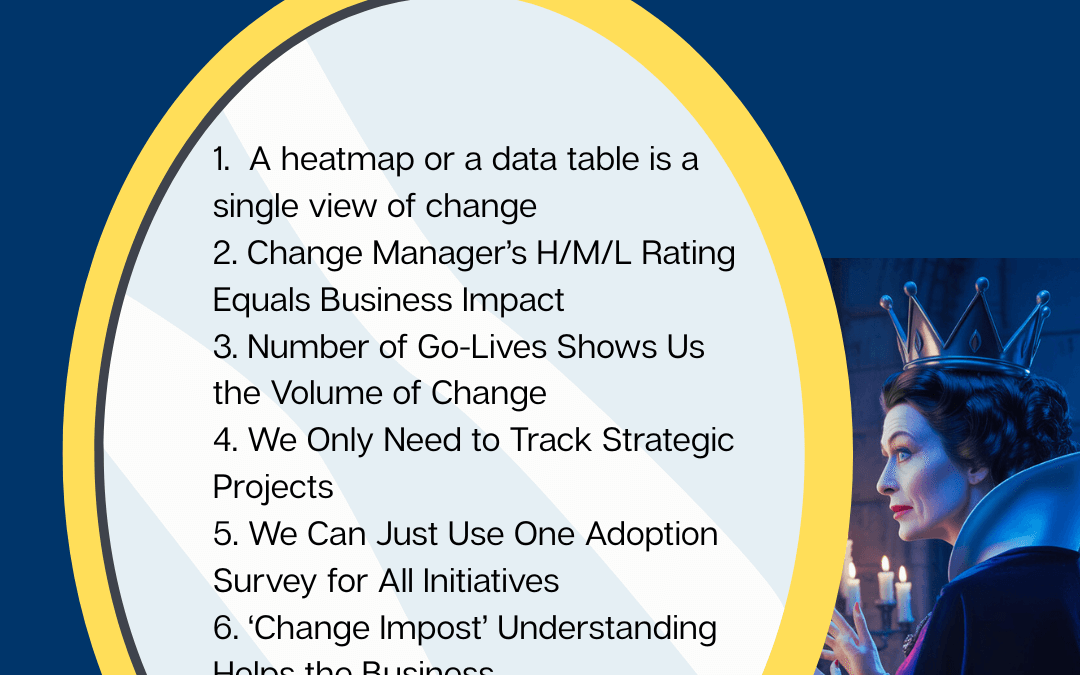
Assumption 1: A Heatmap or Data Table is a Single View of Change
Heatmaps and data tables have become go-to tools for visualising change across an organisation. At a glance, they promise to show us where the “hotspots” are—those areas experiencing the most change. But is this single view really giving us the full picture?
Why This Assumption is Wrong
1. Not All Change is Disruptive—Some is Positive
A heatmap typically highlights areas with high volumes of change, but it doesn’t distinguish between positive and negative impacts. For example, a new digital tool might be seen as a “hotspot” simply because it affects many employees, but if it makes their jobs easier and boosts productivity, the overall experience could be positive. Conversely, a smaller change that disrupts workflows or adds complexity may have a much larger negative impact on a specific group, even if it doesn’t light up the heatmap. Depth of understanding beyond the heatmap is key.
2. The Data May Not Show the Real ‘Heat’
The accuracy of a heatmap depends entirely on the data feeding it. If your ratings are based on high-level, generic ‘traffic-light’ impact assessments, you may miss the nuances of how change is actually experienced by employees. For instance, a heatmap might show a “red zone” in one department based on the number of initiatives, but if those initiatives are well-aligned and support the team’s goals, the actual disruption could be minimal.
3. The Illusion of Completeness
A single view of change suggests that you’ve captured every initiative—strategic, operational, and BAU (Business As Usual)—in one neat package. In reality, most organisations struggle to maintain a comprehensive and up-to-date inventory of all changes. BAU initiatives, in particular, often slip under the radar, even though their cumulative impact can be significant. This is not to say that one always needs to aim for 100%. However, labelling this as ‘single view of change’ would then be an exaggeration.
The Takeaway
Heatmaps and data tables are useful starting points, but they’re not the whole story. They provide a high-level snapshot, not a diagnostic tool. Heatmaps should also not be the only visual you use. There are countless other ways to present similar data. To truly understand the impact of multiple changes, you need to go deeper—gathering qualitative insights, focusing on employee experience, and recognising that not all “hotspots” are created equal. Ultimately the data should tell you ‘why’ and ‘how’ to fix it.
Assumption 2: A Change Manager’s H/M/L Rating Equals Business Impact
It’s common practice to summarise the impact of change initiatives using simple High/Medium/Low (H/M/L) ratings. These ratings are easy to communicate and look great in dashboards. But do they really reflect the business impact?
1. Oversimplification Masks Nuance
H/M/L ratings often blend a variety of factors: the effort required from business leads, subject matter experts (SMEs), sponsors, project teams, and change champions. These ratings may not be based solely—or even primarily—on employee or customer impact. For example, a “High” impact rating might reflect the complexity of project delivery rather than the degree of disruption felt by frontline staff.
2. Limited Decision-Making Value
A single, combined rating has limited utility for decision-making. If you need to focus specifically on employee impacts, customer experience, or partner relationships, a broad H/M/L assessment won’t help you target your interventions. It becomes a blunt instrument, unable to guide nuanced action.
3. Lack of Granularity for Business Units
For business units, three categories (High, Medium, Low) are often too broad to provide meaningful insights. Important differences between types of change, levels of disruption, and readiness for adoption can be lost, resulting in a lack of actionable information.
Don’t rely solely on H/M/L ratings to understand business impact. Instead, tailor your assessments to the audience and the decision at hand. Use more granular, context-specific measures that reflect the true nature of the change and its impact on different stakeholder groups, where it makes sense.
Assumption 3: Number of Go-Lives Shows Us the Volume of Change
It’s easy to fall into the trap of using Go-Live dates as a proxy for change volume. After all, Go-Live is a clear, measurable milestone, and counting them up seems like a straightforward way to gauge how much change is happening. But this approach is fundamentally flawed.
1. Not All Go-Lives Are Created Equal
Some Go-Lives are highly technical, involving backend system upgrades or infrastructure changes that have little to no visible impact on most employees. Others, even if small in scope, might significantly alter how people work day-to-day. Simply tallying Go-Lives ignores the nature, scale, and felt impact of each change.
2. The Employee Experience Is Not Tied to Go-Live Timing
The work required to prepare for and adopt a change often happens well before or after the official Go-Live date. In some projects, readiness activities—training, communications, process redesign—may occur months or even a year ahead of Go-Live. Conversely, true adoption and behaviour change may lag long after the system or process is live. Focusing solely on Go-Live dates misses these critical phases of the change journey.
3. Volume Does Not Equal Impact
A month with multiple Go-Lives might be relatively easy for employees if the changes are minor or well-supported. In contrast, a single, complex Go-Live could create a massive disruption. The volume of Go-Lives is a poor indicator of the real workload and adaptation required from your people.
Don’t equate the number of Go-Lives with the volume or impact of change. Instead, map the full journey of each initiative—readiness, Go-Live, and post-implementation adoption. Focus on the employee experience throughout the lifecycle, not just at the technical milestone.
Assumption 4: We Only Need to Track Strategic Projects
Strategic projects are naturally top of mind for senior leaders and transformation teams. They’re high-profile, resource-intensive, and often linked to key business objectives. But is tracking only these initiatives enough?
1. Strategic Does Not Always Mean Disruptive
While strategic projects are important, they don’t always have the biggest impact on employees’ day-to-day work. Sometimes, operational or BAU (Business As Usual) initiatives—such as process tweaks, compliance updates, or system enhancements—can create more disruption for specific teams.
2. Blind Spots in Change Impact
Focusing exclusively on strategic projects creates blind spots. Employees may be grappling with a host of smaller, less visible changes that collectively have a significant impact on morale, productivity, and engagement. If these changes aren’t tracked, leaders may be caught off guard by resistance or fatigue.
3. Data Collection Bias
Strategic projects are usually easier to track because they have formal governance, reporting structures, and visibility. BAU initiatives, on the other hand, are often managed locally and may not be captured in central change registers. Ignoring them can lead to an incomplete and misleading picture of overall change impact.
To truly understand and manage the cumulative impact of change, track both strategic and BAU initiatives. This broader view helps you identify where support is needed most and prevents change overload in pockets of the organisation that might otherwise go unnoticed.
Assumption 5: We Can Just Use One Adoption Survey for All Initiatives
Surveys are a popular tool for measuring change adoption. The idea of using a single, standardised survey across all initiatives is appealing—it saves time, simplifies reporting, and allows for easy comparison. But this approach rarely delivers meaningful insights.
1. Every Initiative Is Unique
Each change initiative has its own objectives, adoption targets, and success metrics. A generic survey cannot capture the specific behaviours, attitudes, or outcomes that matter for each project. If you try to make one survey fit all, you end up with questions so broad that the data becomes meaningless and unhelpful.
2. Timing Matters
The right moment to measure adoption varies by initiative. Some changes require immediate feedback post-Go-Live, while others need follow-up months later to assess true behavioural change. Relying on a single survey at a fixed time can miss critical insights about the adoption curve.
3. Depth and Relevance Are Lost
A one-size-fits-all survey lacks the depth needed to diagnose issues, reinforce learning, or support targeted interventions. It may also fail to engage employees, who can quickly spot when questions are irrelevant to their experience.
Customise your adoption measurement for each initiative. Tailor questions to the specific outcomes you want to achieve, and time your surveys to capture meaningful feedback. Consider multiple touchpoints to track adoption over time and reinforce desired behaviours.
Assumption 6: ‘Change Impost’ Understanding Helps the Business
The term “change impost” has crept into the vocabulary of many organisations, often used to describe the perceived burden that change initiatives place on the business. On the surface, it might seem helpful to quantify this “impost” so that leaders can manage or minimise it. However, this framing is fraught with problems.
1. Negative Framing Fuels Resistance
Describing change as an “impost” positions it as something external, unwelcome, and separate from “real” business work. This language reinforces the idea that change is a distraction or a burden, rather than a necessary part of growth and improvement. Stakeholders who hear change discussed in these terms may lead to the reinforcement of negativity towards change versus incorporating change as part of normal business work.
2. It Artificially Separates ‘Change’ from ‘Business’
In reality, change is not an add-on—it is intrinsic to business evolution. By treating change as something apart from normal operations, organisations create a false dichotomy that hinders integration and adoption. This separation can also lead to confusion about responsibilities and priorities, making it harder for teams to see the value in new ways of working.
3. There Are Better Alternatives
Instead of “change impost,” consider using terms like “implementation activities,” “engagement activities,” or “business transformation efforts.” These phrases acknowledge the work involved in change but frame it positively, as part of the ongoing journey of business improvement.
Language matters. Choose terminology that normalises change as part of everyday business, not as an external burden. This shift in mindset can help foster a culture where change is embraced, not endured.
Assumption 7: We Just Need to Avoid High Change Volumes to Manage Capacity
It’s a common belief that the best way to manage organisational capacity is to avoid periods of high change volume—flattening the curve, so to speak. While this sounds logical, the reality is more nuanced.
1. Sometimes High Volume Is Strategic
Depending on your organisation’s transformation goals, there may be times when a surge in change activity is necessary. For example, reaching a critical mass of changes within a short period can create momentum, signal a new direction, or help the organisation pivot quickly. In these cases, temporarily increasing the volume of change is not only acceptable—it’s desirable to reach significant momentum and outcomes.
2. Not All Change Is Equal
The type of change matters as much as the quantity. Some changes are minor and easily absorbed, while others are complex and disruptive. Simply counting the number of initiatives or activities does not account for their true impact on capacity.
3. Planned Peaks and ‘Breathers’ Are Essential
Rather than striving for a perfectly flat change curve, it’s often more effective to plan for peaks and valleys. After a period of intense change, deliberately building in “breathers” allows the organisation to recover, consolidate gains, and prepare for the next wave. This approach helps maintain organisational energy and reduces the risk of burnout.
Managing capacity is about more than just avoiding high volumes of change. It requires a strategic approach to pacing, sequencing, and supporting people through both busy and quieter periods.
Practical Recommendations for Change Leaders
Having debunked these common assumptions, what should change management and transformation leaders do instead? Here are some actionable strategies:
1. Use Multiple Lenses to Assess Change
Combine quantitative tools (like heatmaps and data tables) with qualitative insights from employee feedback, focus groups, and direct observation.
Distinguish between positive and negative impacts, and tailor your analysis to specific stakeholder groups.
2. Get Granular with Impact Assessments
Move beyond generic H/M/L ratings. Develop more nuanced scales or categories that reflect the true nature and distribution of impacts.
Segment your analysis by business unit, role, or customer group to uncover hidden hotspots.
3. Map the Full Change Journey
Track readiness activities, Go-Live events, and post-implementation adoption separately.
Recognise that the most significant work—both for employees and leaders—often happens outside the Go-Live window.
4. Track All Relevant Initiatives
Include both strategic and BAU changes in your change portfolio.
Regularly update your inventory to reflect new, ongoing, and completed initiatives.
5. Customise Adoption Measurement
Design adoption surveys and feedback mechanisms for each initiative, aligned to its specific objectives and timing.
Use multiple touchpoints to monitor progress and reinforce desired behaviours.
6. Use Positive, Inclusive Business Language
Frame change as part of business evolution and operations, not an “impost.”
Encourage leaders and teams to see change work as integral to ongoing success.
7. Plan for Peaks and Recovery
Strategically sequence changes to align with business priorities and capacity.
Build in recovery periods after major waves of change to maintain energy and engagement.
Managing multiple changes in a complex organisation is never easy—but it’s made harder by clinging to outdated assumptions. By challenging these myths and adopting a more nuanced, evidence-based approach, change management and transformation leaders can better support their people, deliver real value, and drive sustainable success.
Remember: Effective change management is not about ticking boxes or flattening curves. It’s about understanding the lived experience of change, making informed decisions, and leading with empathy and clarity in a world that never stands still.
At The Change Compass, we’ve incorporated various best practices into our tool to capture change data across the organisation. Chat to us to find out more.
The topic of change is often inundated with literature stressing that it is about people, feeling, attitudes and behaviour. While these are important, lot of articles centred about the human-nature of change often ignore the importance of data during the change and transformation process. This is no different for the topic of employee readiness for change. People’s attitudes and behaviour need to be observed, measured and tracked during change.
Employee readiness for change is a critical factor that determines the outcome of organisational transformations. By leveraging data-driven insights, companies can proactively assess and enhance their employees’ preparedness, paving the way for smoother transitions and improved business results.
Let’s explore the concept of employee readiness for change and delve into strategies for using data to optimise readiness during transformations. We will discuss key metrics, change readiness assessments, employee engagement techniques, and real-time monitoring to help organisations navigate change effectively.
What is Employee Readiness for Change?
Employee readiness for change refers to the extent to which individuals within an organisation are prepared, willing, and capable of embracing and implementing change. It encompasses their understanding of the change, their motivation to support it, and their ability to adapt and perform effectively in the new environment.
Assessing employee readiness involves evaluating three key elements:
Organisational readiness: This aspect focuses on the company’s overall preparedness for change, including factors such as leadership commitment, resource availability, and clear objectives.
Open attitudes toward change: Gauging employees’ understanding and willingness to embrace change is crucial. Positive attitudes contribute to successful resistance management and building change readiness.
Individual readiness: On a personal level, assessing each employee’s readiness, willingness, and ability to adapt to change is essential. This involves considering their skills, knowledge, and emotional preparedness.
Note that individual readiness is only one component of the overall readiness. A lot of people only focus on this to the detriment of truly assessing the overall readiness.
By conducting a comprehensive assessment of these elements, organisations can gain valuable insights into their employees’ readiness for change. This information serves as a foundation for developing targeted strategies to enhance readiness and facilitate successful transformations.
How to Use Data to Improve Employee Readiness During Transformations
Harnessing the power of data analytics is essential for enhancing workforce preparedness during organisational transformations. By systematically gathering and interpreting relevant data, organisations can uncover potential obstacles and craft bespoke strategies to bolster readiness and ensure seamless transitions.
Determining Critical Metrics for Change Preparedness
To effectively utilize data, organisations must first establish the critical metrics that will serve as indicators of readiness. These metrics provide a foundation for assessing the current state and tracking future progress:
Engagement indices: Measure the degree to which employees are actively involved and invested in organisational activities. High engagement suggests a supportive environment for change initiatives.
Flexibility indicators: Evaluate employees’ capacity to adjust to new roles and technologies. This metric identifies those who may benefit from targeted support.
Completion rates of developmental programs: Monitor the percentage of the workforce completing essential training. This figure highlights areas where skill enhancement is necessary.
Executing a Holistic Change Preparedness Evaluation
With metrics in place, conduct a thorough evaluation of change preparedness at both organisational and individual levels. Utilize surveys, interviews, and focus groups to gather rich data. This comprehensive approach reveals resistance points and directs attention to intervention opportunities:
Cultural assessment: Analyse underlying cultural traits that influence how change is perceived and implemented. Insights into assertiveness and hierarchy can guide communication strategies.
Leadership analysis: Assess the readiness and skillset of leaders to champion change. Effective leadership is pivotal for the success of transformation efforts.
Enhancing Workforce Involvement Through Data Insights
Data-driven insights can significantly enhance employee involvement during periods of change. By examining workforce data, organisations can tailor communication and training to better resonate with their employees:
Customized messaging: Develop communication that speaks directly to the needs and concerns of various employee segments. This ensures messages are impactful and engaging.
Focused learning initiatives: Identify specific knowledge gaps and create targeted training programs. Customized learning enhances employees’ ability to adapt to change confidently.
Continuous Strategy Adaptation via Real-Time Data
Ongoing monitoring of strategy effectiveness through real-time analytics is vital. This continuous process allows organisations to refine their approaches based on evolving data patterns, maintaining high levels of readiness:
Regular data collection: Actively seek feedback from employees regarding their transition experiences. This input is crucial for identifying areas needing adjustment.
Dynamic decision-making: Leverage real-time (or least recent) data to inform strategic decisions and optimize change management initiatives, ensuring they remain aligned with organisational goals.
1. Identify Key Metrics for Change Readiness
Establishing a robust framework of metrics is fundamental to accurately gauge change readiness within an organisation. These metrics function as critical indicators, allowing leaders to monitor the pulse of their workforce during transformation initiatives. A well-defined set of metrics provides a structured approach to assessing readiness and identifying areas requiring attention.
Engagement Indicators
Evaluating employee engagement is crucial for understanding the workforce’s readiness for change. This involves gathering insights into how employees perceive their roles and the organisation’s objectives. A workforce that demonstrates high levels of commitment and enthusiasm tends to be more agile and supportive of change efforts. Methods such as employee sentiment analysis and engagement surveys can help capture these dynamics, offering a nuanced view of organisational health.
Flexibility Metrics
Flexibility metrics provide a window into the ease with which employees can transition to new processes and systems. This involves examining historical data on change adaptability and using tools like behavioural assessments to gauge employees’ readiness for new challenges. Understanding the flexibility of employees can guide targeted support and interventions, ensuring smoother transitions during organisational shifts.
Completion Rates of Educational Programs
Monitoring the completion rates of educational initiatives is essential to assess how prepared employees are for impending changes. This metric reflects the organisation’s dedication to equipping its workforce with the skills needed for transformation. Analysing completion data, alongside post-training assessments, can offer insights into the effectiveness of learning interventions and highlight areas for development.
Together, these metrics form a comprehensive picture of an organisation’s change readiness. By establishing a baseline for these indicators, organisations can track progress over time, adjusting strategies as necessary to enhance readiness and facilitate successful transformations.
2. Conduct a Comprehensive Change Readiness Assessment
To pave the way for a successful transformation, conducting a comprehensive change readiness assessment becomes imperative. This systematic evaluation delves into the organisation’s preparedness at both the macro and micro levels, providing insights that are critical for shaping effective change strategies. Utilizing a blend of qualitative and quantitative methods, the assessment illuminates the landscape of readiness, offering a strategic foundation for decision-making.
Strategic Evaluation Components
A multifaceted readiness assessment encompasses several strategic components, each designed to gather a holistic understanding of the organisational climate:
Cultural Insight Analysis: Delve into the organisational culture to uncover factors that may affect acceptance of change. This involves exploring existing communication styles, shared values, and prevalent behaviours that could influence the transformation journey. Gaining a clear picture of these cultural dynamics aids in crafting initiatives that resonate with the workforce’s inherent beliefs.
Leadership Capacity Evaluation: Determine the readiness and effectiveness of leadership in spearheading change efforts. Examine their ability to inspire and motivate, as well as their capacity to navigate the complexities of organisational transformation. Strong leadership commitment is essential for instilling confidence and guiding the organisation through change.
Resource Readiness Check: Evaluate the sufficiency and distribution of resources critical for supporting change initiatives. Consider the existing technological capabilities, financial support, and human resources available to drive the transformation. Addressing resource gaps early ensures that the organisation is well-prepared to meet the demands of change.
Analysing Data for Targeted Interventions
Upon gathering data through the readiness assessment, a thorough analysis is essential to uncover insights that inform strategic interventions. This analysis should focus on identifying potential resistance points and areas ripe for development:
Resistance Identification: Detect and chart areas where reluctance to change may manifest. Utilize employee feedback, trends from past projects, and current mood assessments to pinpoint these zones. Understanding these resistance factors allows for proactive measures to encourage acceptance and reduce pushback.
Opportunity Leveraging: Spot areas with high readiness levels that can be used to propel change efforts forward. Recognize organisational strengths and existing competencies that can be harnessed to support the transition. By leveraging these opportunities, organisations can accelerate progress and cultivate a culture of continuous growth.
Conducting a comprehensive change readiness assessment provides a strategic lens through which organisations can navigate the complexities of transformation. By systematically evaluating readiness and leveraging data-driven insights, organisations can craft tailored strategies that enhance employee preparedness and drive successful change outcomes.
3. Utilise Data Analytics to Foster Employee Engagement
Employing data analytics is essential to deepening employee involvement during change processes. By utilizing advanced analytical tools, organisations can uncover key drivers of motivation and engagement within their workforce. This enables the development of strategies that are not only data-informed but also tailored to enhance a culture of commitment and adaptability.
Strategic Communication Approaches
Data analytics offer organisations the ability to refine communication strategies in a way that aligns with the diverse preferences and needs of employees. By examining patterns in communication effectiveness and gathering feedback, companies can create messaging frameworks that are clear and meaningful. This strategic approach ensures that communication is not just disseminated but absorbed, fostering a sense of inclusion and understanding across the organisation.
Customised Development Pathways
Insights from analytics enable the design of development pathways that cater to the specific learning and growth needs of employees. Analysing performance metrics and capability assessments allows organisations to pinpoint where support is most needed, leading to bespoke development initiatives. These pathways not only address skill gaps but also promote a learning culture that equips employees for future challenges.
Ongoing Engagement Assessment
Real-time analytics provide a robust mechanism for continuously assessing employee engagement throughout the transformation journey. Establishing metrics that reflect engagement sentiment and participation levels helps organisations react swiftly to shifts in morale. This proactive engagement assessment ensures that initiatives remain aligned with employee expectations and organisational objectives, fostering a sustained commitment to change.
4. Monitor and Adapt Strategies Using Real-Time Data
Leveraging real-time data analytics is crucial for dynamically guiding change initiatives. This approach enables organisations to continuously evaluate the effectiveness of their strategies, ensuring they remain aligned with shifting business needs and employee expectations. By integrating adaptive feedback mechanisms, companies can refine their tactics, promoting an environment of agility and responsiveness.
Dynamic Data Acquisition
Establishing a robust system for dynamic data acquisition is essential to maintain an accurate understanding of organisational and employee dynamics. Real-time analytics platforms and dashboards provide comprehensive insights into change progress, such as engagement indices, performance metrics, and sentiment analysis. Regularly capturing this data allows organisations to proactively identify patterns and shifts that may influence the success of change initiatives.
Strategic Insights-Driven Adjustments
The insights obtained from real-time data empower organisations to make calculated adjustments to their strategies. This adaptive approach ensures that interventions remain pertinent and effective, addressing emerging challenges and capitalizing on new opportunities:
Incorporating Employee Perspectives: Integrate direct insights from employees into strategic refinements. Understanding their experiences and perceptions offers a nuanced perspective of the change process, allowing for precise enhancements.
Pattern Recognition: Use data patterns to recognize trends that may require strategic shifts. For example, a downward trend in engagement metrics could indicate the need for improved communication or support mechanisms.
Efficient Resource Deployment: Employ data insights to enhance resource deployment, ensuring that efforts are concentrated where they are most impactful. This targeted approach enhances the effectiveness of change initiatives and maximizes results.
Proactive Decision-Making
Real-time data analytics enable proactive decision-making, empowering leaders to swiftly adjust to evolving conditions. This capability is vital for sustaining momentum and ensuring that change efforts remain aligned with organisational objectives. By adopting a data-informed mindset, organisations can navigate the complexities of transformation with confidence and precision.
By harnessing the power of data analytics, organisations can proactively assess and enhance employee readiness during transformations, paving the way for smoother transitions and improved business outcomes. Embracing a data-driven approach to change management is no longer optional; it is a strategic imperative for organisations seeking to thrive in an ever-evolving landscape. If you’re ready to transform your change management processes and unlock the full potential of your workforce, chat to us to explore how we can help you leverage data and insights to navigate change with confidence and precision.
Artificial Intelligence (AI) is no longer a futuristic concept—it is here, transforming industries and reshaping how organisations operate. For change and transformation professionals, AI presents both opportunities and challenges. While it automates repetitive tasks and provides advanced insights, it also demands a shift in mindset, skillsets, and approaches to managing change.
Change and transformation professionals must now navigate a world where AI not only augments their work but also redefines their roles. Here we explore how AI is impacting the field of change management, what parts of the work will shift and evolve, and how change manager can adapt to thrive in this new era.
The Impact of AI on Change Management
AI is revolutionizing change management by automating processes, providing predictive analytics, and enabling personalization at scale. It allows organisations to identify resistance early, tailor interventions for specific stakeholders, and measure the effectiveness of change initiatives in real time. However, these advancements also mean that the traditional ways of working are evolving rapidly.
For change professionals, this transformation requires a deeper understanding of how to integrate AI into their processes while maintaining a human-centered approach. Beyond the usual AI use for pictures and communications, let’s break down the key areas where AI is making an impact:
1. Automation of Repetitive Tasks
One of the most immediate benefits of AI in change management is its ability to automate repetitive and time-consuming tasks. For example:
– Stakeholder Analysis: AI tools can analyse large datasets to identify key stakeholders, map their influence networks, and predict their responses to change.
– Communication: Generative AI can draft personalized emails, newsletters, or FAQs tailored to different stakeholder groups.
– Reporting: Automated dashboards powered by AI can provide real-time updates on adoption rates, engagement levels, and other key metrics.
This automation frees up time for change professionals to focus on higher-value activities such as strategy development and stakeholder engagement.
2. Data-Driven Insights
AI enables access to advanced data analytics that were previously unavailable or too complex to process manually. Predictive analytics tools can forecast employee resistance, identify potential risks, and recommend targeted interventions before problems escalate. For example:
– Sentiment analysis tools can assess employee feedback from surveys or social media platforms to gauge morale and identify concerns.
– Behavioural analytics can track how employees are interacting with new tools or processes, providing insights into adoption patterns.
However, it is worth noting that the more data collected, including historical data, the richer the AI insights will be as it will generate more accurate observations and recommendations.
These insights allow change professionals to move from reactive approaches to proactive strategies based on real-time data.
3. Personalisation at Scale
AI empowers organisations to deliver highly personalised experiences for employees during times of change. Instead of one-size-fits-all approaches, AI tools can segment stakeholders based on their preferences, behaviours, or roles and tailor communication or training accordingly. For instance:
– Adaptive learning platforms can create customised training modules for employees based on their skill gaps.
– Chatbots powered by natural language processing (NLP) can answer individual questions about new systems or processes in real time. With the ease of designing and implementing chatbots nowadays, designing a chatbot for implementing a change initiative is absolutely feasible.
Personalisation improves engagement and reduces resistance by addressing the unique needs of each individual or group.
What Will Decrease in the Work of Change manager?
While AI enhances many aspects of change management, it also reduces the need for certain traditional tasks:
1. Routine Communication
AI tools like chatbots or automated email systems can handle routine communication tasks such as sending updates or answering frequently asked questions (FAQs). This reduces the time spent on drafting generic messages or managing basic inquiries.
2. Manual Stakeholder Analysis
In the past, stakeholder analysis often involved manual mapping exercises based on interviews or surveys. With AI-driven tools that analyse organisational networks and sentiment data, this process becomes faster and more accurate.
3. Administrative Reporting
Manual reporting on metrics like adoption rates or training completion will decrease as AI-powered dashboards provide real-time analytics. Change managers will no longer need to spend hours compiling reports; instead, they can focus on interpreting the data and making strategic decisions.
What Will Increase in the Work of Change manager?
While some tasks decrease with AI integration, others become more critical:
1. Strategic Oversight
With AI handling operational tasks, change manager will need to focus more on strategic oversight. This includes ensuring that AI tools align with organisational goals and values while driving meaningful outcomes.
For example:
– Interpreting data insights provided by AI tools to refine strategies. With the range and volume of insights generated, the change professional needs to be focused on what parts add value and where the attention should be placed
– Ensuring that predictive analytics align with broader business objectives. AI generated data will need to be evaluated together with other sources of data. There may be data points that are not captured by AI, thereby impacting the predictive recommendations.
– Balancing short-term efficiency gains with long-term cultural shifts. The use of AI must align with the appetite of the organisation and what the people are capable of adopting. The change professional needs to careful assess the extent of the shifts required and adjust the AI usage and resulting business impacts accordingly. Is the organisation actual ready for the operating model changes inflicted by AI? Work efficiency aside, what will the organisation do with excess people capacity? And will it be ready to implement various business efficiency changes resulting from AI? This is a core question that leaders need to answer.
2. Ethical Governance
As organisations increasingly rely on AI for decision-making, ethical oversight becomes a core responsibility for change manager. Whilst this may not be considered as the ‘core job’ for change managers, it is important to incorporate this as a key part of monitoring of employee feedback and adoption management. They must ensure that:
– AI systems are free from biases that could harm employees or stakeholders. If biases are found, that there is action plans to address these
– Data privacy is maintained while using analytics tools. This will affect which tool is chosen and mode is utilised.
– Transparency is upheld in how decisions are influenced by AI. For example, does the AI recommendation reference data points specifically to support transparent tracing.
Building trust in AI systems among employees will be a critical part of this role.
3. Human-Centered Leadership
Despite its capabilities, AI cannot replace human empathy or emotional intelligence—qualities essential for navigating complex organisational changes. Change manager must:
– Act as empathetic leaders who address fears about job displacement or role changes due to automation.
– Foster trust in both leadership and technology by maintaining open lines of communication.
– Focus on building resilient teams that embrace adaptability and continuous learning.
Mindset Shifts Required for Change manager
To succeed in an AI-driven environment, change manager must adopt new mindsets:
1. From Control to Collaboration: Embrace collaboration with AI as a partner rather than viewing it as a tool to control outcomes.
2. From Static Expertise to Lifelong Learning: Continuously update skills related to data literacy, digital transformation strategies, and emerging technologies.
3. From Reactive Risk Management to Proactive Adaptation: Use predictive insights from AI tools to anticipate challenges rather than reacting after they occur.
4. From Fear of Displacement to Trust in Co-Creation: Recognize that AI enhances human capabilities rather than replacing them entirely.
These mindset shifts will enable change manager to lead effectively in an era where technology plays an increasingly central role in organisational transformation.
Immediate Use Cases for Change managers to Leverage AI
As AI continues to transform the workplace, change managers must adopt practical strategies that integrate AI into their workflows while maintaining a human-centered approach. Below are actionable steps to help change professionals thrive in the AI-driven future.
1. Use AI to Enhance Stakeholder Engagement
AI provides powerful tools to analyze and engage stakeholders more effectively. Change manager can leverage these capabilities to build stronger relationships and drive alignment across the organisation.
Actionable Steps:
– Leverage Sentiment Analysis Tools: Use AI-powered sentiment analysis to gauge stakeholder attitudes and concerns from surveys, emails, or social media. This allows you to identify resistance early and address it proactively.
– Develop Personalized Communication Plans: Use AI tools to segment stakeholders based on their roles, preferences, or behaviours. Tailor communication strategies for each group, ensuring messages resonate with their specific needs.
– Deploy Chatbots for Real-Time Support: Implement AI chatbots to provide stakeholders with instant access to information about change initiatives. This reduces the burden on change teams while improving responsiveness.
Example in Practice:
A global organisation undergoing a digital transformation may use AI sentiment analysis to monitor employee feedback during the rollout of a new system. By identifying teams with low engagement scores, the change team can intervene early with targeted workshops and one-on-one coaching sessions.
2. Integrate Predictive Analytics into Change Planning
Predictive analytics is one of the most transformative aspects of AI for change management. It allows change manager to anticipate challenges, forecast outcomes, and refine strategies based on data-driven insights.
– Identify Potential Resistance Hotspots: Use predictive models to analyse historical data and identify departments or teams likely to resist upcoming changes.
– Forecast Adoption Rates: Leverage analytics tools to predict how quickly employees will adopt new processes or technologies. Adjust timelines and training plans accordingly.
– Optimise Resource Allocation: Use AI insights to determine where resources (e.g., training budgets or change champions) will have the greatest impact.
A financial services firm used predictive analytics during a merger to identify which regions were most likely to experience resistance based on past organisational changes. This allowed the team to deploy additional resources in those areas, reducing delays and improving overall adoption rates.
3. Focus on Building Trust in AI
As AI becomes more integrated into organisational processes, trust becomes a critical factor for success. Employees and stakeholders may feel uncertain about how decisions are being made or fear that their roles will be replaced by automation.
– Be Transparent About AI’s Role: Clearly communicate how AI is being used in decision-making processes and emphasize that it is a tool to support—not replace—human judgment.
– Address Ethical Concerns: Ensure that AI systems are free from bias and comply with data privacy regulations. Regularly audit AI tools for fairness and accuracy.
– Foster Open Dialogue: Create forums where employees can ask questions about AI implementations, share concerns, and provide feedback.
A healthcare organisation introduced AI-powered scheduling software but faced resistance from staff who feared losing control over their work schedules. By hosting workshops that explained how the system worked and allowing employees to provide input into its configuration, the organisation built trust and improved adoption rates.
4. Lead with Emotional Intelligence
While AI automates many tasks, it cannot replace the human touch required for effective leadership during times of change. Change managers must double down on emotional intelligence (EI) to complement AI’s capabilities. It may not be that employee emotional reactions and nuances are fully captured by AI, so care need to be taken in this regard.
– Empathize with Employee Concerns: Actively listen to employees’ fears about job displacement or role changes caused by automation.
– Foster a Growth Mindset: Encourage teams to see AI as an opportunity for personal and professional development rather than a threat.
During an automation initiative at a manufacturing company, senior leaders held town halls where they acknowledged employees’ concerns about job security but emphasized opportunities for upskilling. This approach helped reduce anxiety and fostered a more positive attitude toward the changes.
5. Redefine Training Strategies
AI is transforming how organisations approach employee training during times of change. Traditional one-size-fits-all training programs are being replaced by adaptive learning platforms that deliver personalized content based on individual needs.
– Implement Adaptive Learning Platforms: Use AI-powered tools that assess employees’ existing skills and create customized learning paths.
– Focus on Digital Literacy: Ensure employees understand how to use new AI tools effectively as part of their daily workflows.
– Provide Continuous Learning Opportunities: Move beyond one-time training sessions by offering ongoing development programs that evolve with organisational needs.
A retail company introduced an adaptive learning platform during its e-commerce transformation. Employees received tailored training modules based on their roles and skill gaps, resulting in faster adoption of new systems and improved performance metrics.
6. Balance Efficiency with Culture implications
AI brings remarkable efficiency gains, but change managers must ensure that these do not come at the expense of organisational culture. Careful analysis should be done to understand potential impacts of AI on the cultural and behavioural norms of the organisation before proceeding.
– Prioritize Culture Over Speed: While AI can accelerate processes, take time to ensure that cultural alignment is not overlooked during rapid transformations. What behaviours need to be there to support the adoption and implementation and how are these reinforced?
– Balancing cultural norms and behaviours: Are there particular rituals and behaviours that are critical to the culture of the organisation that AI should not try and replace? Are there practices that should remain despite AI gains in efficiency due to cultural goals?
– Measure Success Holistically: Go beyond efficiency metrics by assessing employee engagement, morale, and overall satisfaction during changes.
A tech company undergoing rapid scaling used AI tools for project management but ensured that team leaders continued holding regular one-on-one meetings with employees. This balance preserved trust and engagement during a period of significant growth.
The Evolving Role of Change managers
As organisations embrace AI, the role of change manager is shifting from operational execution to strategic leadership. Key areas of focus include:
1. Strategic Visioning: Aligning AI-driven initiatives with long-term organisational goals.
2. Ethical Oversight: Ensuring responsible use of AI while maintaining transparency and trust.
3. Proactive Adaptation: Using predictive insights from AI tools to stay ahead of challenges.
4. Human-Centered Leadership: Balancing technological advancements with empathy and emotional intelligence.
Change manager who embrace these shifts will not only remain relevant but also play a pivotal role in shaping the future of work.
The proliferation of AI is transforming every facet of change management—from automating routine tasks to enabling data-driven decision-making and personalized engagement strategies. For change manager, this evolution presents an opportunity to elevate their roles by focusing on strategic oversight, ethical governance, trust-building, and human-centered leadership.
By adopting practical strategies such as leveraging predictive analytics, redefining training approaches, and leading with emotional intelligence, experienced professionals can harness the power of AI while maintaining a people-first approach. The future of change management lies not in replacing humans with technology but in combining the strengths of both for greater impact. As we move further into this era of transformation, change manager who adapt their mindsets, skillsets, and approaches will be at the forefront of driving successful organisational change—one that balances innovation with humanity.