Every large organisation generates significant volumes of change management data. Readiness assessments, impact analyses, stakeholder surveys, adoption trackers, change plans, training records. Most of it is created at the project level, used briefly, and then...
Latest Blogs •
Why using change management ROI calculations severely limits its value
Change management professionals often struggle with proving the worth of their services and why they are needed. There are certainly plenty of reasons why change management professionals are required and most experienced project managers and senior leaders...
What are some of the benefits of using data science in change?
Change management is often seen as a ‘soft’ discipline that is more an ‘art’ than science. However, successful change management, like managing a business, relies on having the right data to understand if the journey is going in the right direction toward...
Designing a change adoption dashboard: what to measure, how to display it, and why it matters
Designing a change adoption dashboard: what to measure, how to display it, and why it matters A change adoption dashboard is one of the most underused tools in enterprise change management. Most organisations produce some form of change tracking, but relatively few...
Change saturation: why it is the most underestimated risk in enterprise transformation
Seventy-three percent of employees affected by significant change initiatives report moderate to high stress levels. Fifty-four percent of those experiencing change fatigue actively look for a new role. And according to Gartner, employee willingness to support...
Change management software benefits: how the right tools improve transformation outcomes
The question of whether change management software makes a difference is no longer really open. The data is consistent and has been replicated across multiple credible research bodies. The more interesting question, for a change practitioner evaluating software for...
4 common assumptions about change saturation that are misleading
Change saturation is a common term used by change practitioners to describe a picture where there may be too many changes being implemented at the same time. The analogy is that of a cup with limited capacity, where if too much change is poured into a fixed volume,...
How to write a change management survey that is valid
An important part of measuring meaningful change is to be able to design effective communication effectiveness change management surveys that measure the purpose of the survey it has set out to measure the level of understanding of the change. Designing and rolling...
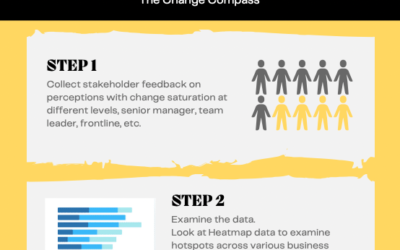
How to Measure Change Saturation: A Structured Assessment Recipe
Change saturation has become one of the most searched concepts in change management practice - and one of the most inconsistently understood. In its simplest definition, change saturation occurs when the cumulative demand of concurrent change programmes on a specific...
Change management software measurement: what it can track, what it tells you, and why it matters
Most change managers still measure transformation the way accountants balanced ledgers before spreadsheets: manually, periodically, and at the project level. The data arrives late, reflects only what was easy to capture, and serves reports more than decisions. Change...
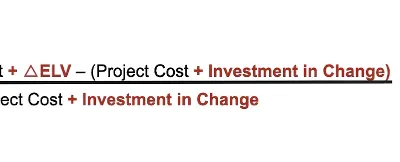
How to calculate the financial value of managing a change portfolio
Showing the value of change management is something that change practitioners have yearned for. Some senior leaders do not understand the value of change management and either see it as a normal part of general business management or don’t even understand...
Making impact with change management charts – Infographic
How do we make an impact by selecting the right change management charts for the points we are trying to make? Which charts should we be choosing? Are there tips to make it easier for the audience to understand? What are some common pitfalls in creating effective...