New vs. old change management models
The Evolution of Change Management Models
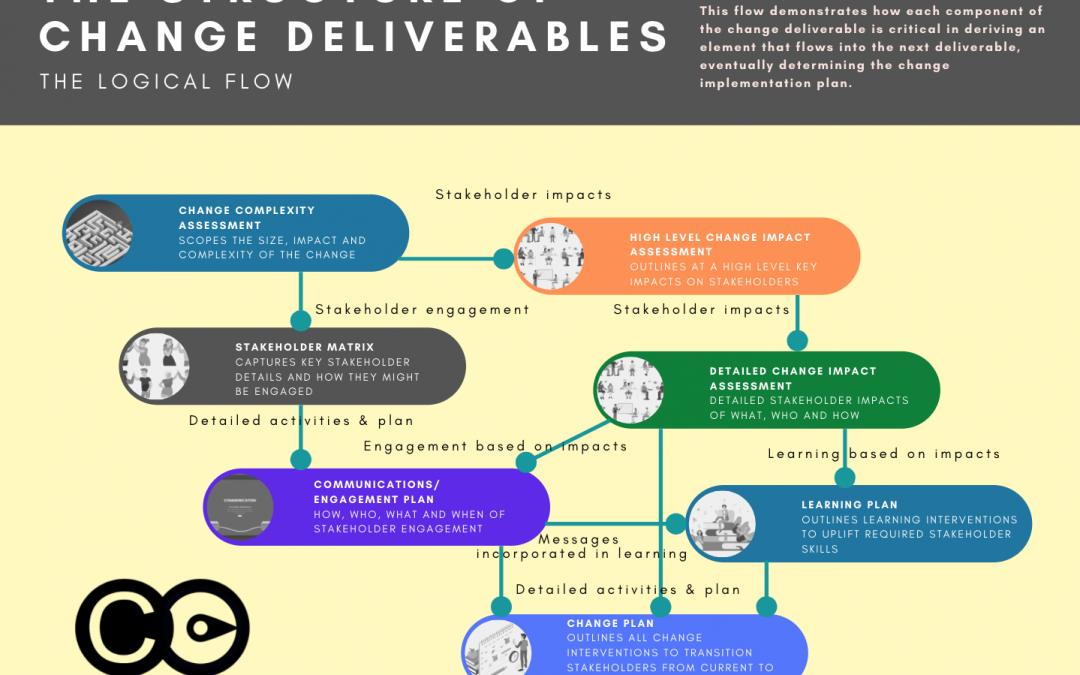
Change management is a critical discipline for organizations navigating today’s fast-paced and complex business environment. At its core, change management refers to the structured approach and set of processes that organizations use to transition individuals, teams, and entire organizations from a current state to a desired future state. The ultimate goal is to drive adoption of new processes, technologies, or strategies while minimizing resistance and disruption.
The Enduring Influence of Classic Change Management Models
For decades, organizations have relied on a handful of classic change management models to guide their transformation efforts. These foundational frameworks have shaped the way leaders think about change, offering structured methodologies to manage the human and operational challenges that accompany organizational shifts.
Some of the most widely recognized traditional models include:
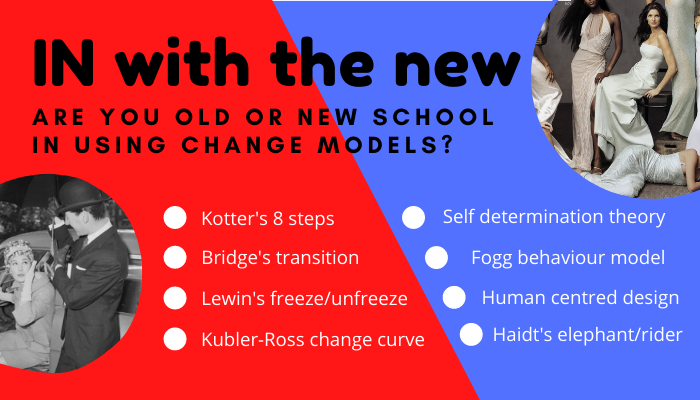
- Lewin’s 3-Stage Model of Change: Developed in the 1950s, Kurt Lewin’s model breaks change into three simple steps: Unfreeze, Change, and Refreeze. The unfreezing stage involves preparing the organization for change by challenging the status quo. The change stage is the implementation phase, where new processes or behaviors are introduced. Finally, the refreezing stage aims to solidify these changes as the new norm, embedding them into the organization’s culture and operations.
- McKinsey 7S Model: This model emphasizes the importance of aligning seven key elements—Strategy, Structure, Systems, Shared Values, Style, Staff, and Skills—to achieve successful change. The 7S framework highlights the interconnectedness of organizational components and the need for holistic alignment during transformation.
- Bridge’s Transition Model: Unlike models focused primarily on processes and systems, Bridge’s model centers on the psychological and emotional transitions individuals experience during change. It outlines three phases: Letting Go, The Neutral Zone, and The New Beginning, recognizing that emotional responses can be a major source of resistance.
- ADKAR Model: While slightly more contemporary, the ADKAR model remains a staple in many organizations. It focuses on five building blocks for successful change: Awareness, Desire, Knowledge, Ability, and Reinforcement.
These classic models have provided organizations with blueprints for managing change, helping leaders anticipate challenges, structure their communications, and guide employees through transitions. They have been especially valuable in large, hierarchical organizations where clear, step-by-step processes are necessary to coordinate efforts across multiple teams and layers of management.
Limitations of Traditional Change Models
Despite their enduring popularity, research has increasingly shown that many of these traditional models have limited efficacy in today’s dynamic business world. The pace of change has accelerated, and organizations now face more complex, interconnected, and unpredictable challenges than ever before. As a result, the linear, stepwise approaches of older models can struggle to keep up with:
- Rapid technological advancements that require agile and iterative approaches.
- Cross-functional collaboration that blurs traditional organizational boundaries.
- Continuous transformation, rather than discrete, one-off change initiatives.
- Employee expectations for transparency, empowerment, and participation in the change process.
Many of these models were developed in an era when change was infrequent and could be managed as a discrete event. Today, change is constant, and organizations must be able to adapt quickly and continuously. This has led to a growing recognition that newer, more flexible and evidence-based change management models are needed to address the realities of modern business.
The Shift Toward Modern Change Management Approaches
In response to these limitations, new change management models have emerged, informed by recent research and the evolving needs of organizations. These models tend to emphasize:
- Behavioral science and data-driven insights to understand and influence employee behavior more effectively.
- Agility and adaptability, allowing organizations to respond rapidly to change and iterate their approaches as needed.
- Employee engagement and co-creation, recognizing that successful change depends on active participation and buy-in from those affected.
- Continuous measurement and feedback, using real-time data to assess progress and adjust strategies on the fly.
Here are some examples of modern models:
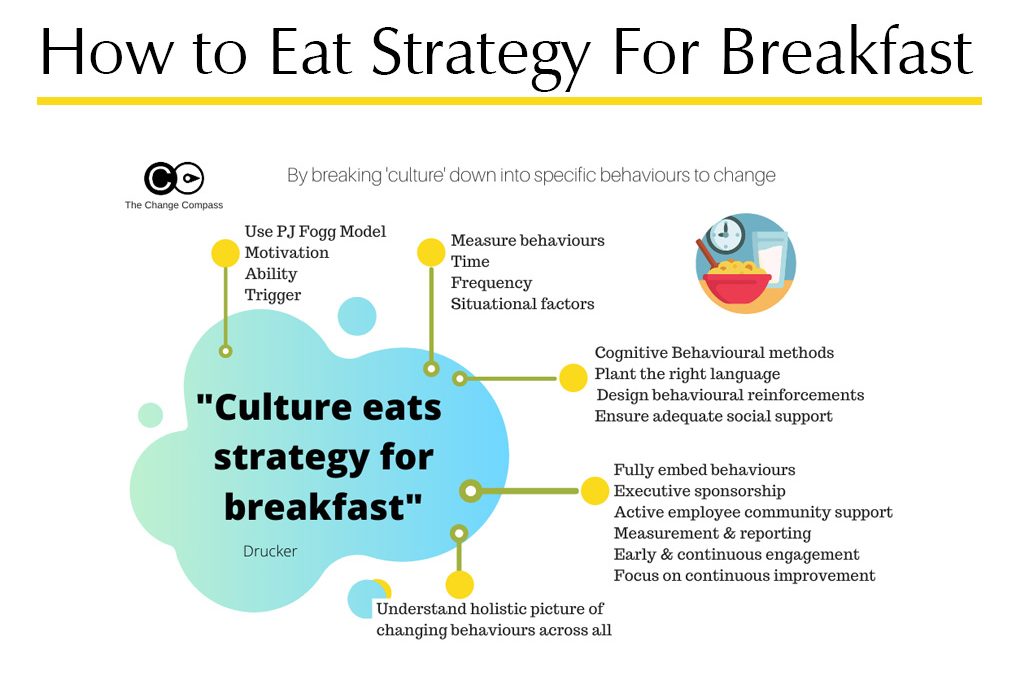
- Fogg Behavior Model: Applies behavioral science principles to drive sustainable change by focusing on motivation, ability, and prompts.
- Agile Change Management: Uses iterative planning, rapid feedback, and cross-functional collaboration to enable organizations to adapt quickly.
- Self-Determination Theory (SDT): Emphasizes the importance of intrinsic motivation by fostering autonomy, competence, and relatedness among employees. Change initiatives grounded in SDT encourage choice, participation, and personal relevance, leading to more sustainable and meaningful change.
- User-Centric Design: Focuses on designing change interventions around the needs, preferences, and experiences of end users. By deeply understanding what motivates and frustrates employees, organizations can co-create solutions that drive engagement and adoption.
A lot of popular change management models are old models, many of which have been shown by research to have limited efficacy in the business world. Nevertheless, some of these models are still referred to as the core ‘pillars’ of change management. What are newer change management models that have been shown by research to have better validity?
Comparing Classic and Modern Change Management Models
The landscape of change management has evolved significantly, with organizations increasingly recognizing the need to move beyond traditional frameworks. Below is a detailed comparison of classic and modern change management models, highlighting their core characteristics, strengths, and limitations.
Classic Change Management Models
Classic models, such as Lewin’s 3-Stage Model, McKinsey 7S, and ADKAR, have long served as the foundation for organizational change initiatives. These models share several defining features:
- Linear, Stepwise Approach
Classic models typically follow a sequential process. For example, Lewin’s model moves from Unfreeze to Change to Refreeze, while ADKAR progresses through Awareness, Desire, Knowledge, Ability, and Reinforcement. - Top-Down Implementation
Change is often driven by leadership, with plans and communications cascading down through the organization. This structure assumes that senior leaders set the direction and employees follow. - Focus on Process and Structure
Traditional models emphasize formal processes, organizational structures, and systems alignment. The McKinsey 7S model, for instance, stresses the importance of aligning strategy, structure, and systems to achieve successful change. - One-Off Initiatives
These models are designed for discrete change projects—such as a merger, system upgrade, or restructuring—rather than ongoing transformation.
Strengths of Classic Models:
- Provide clear, step-by-step guidance, making them easy to communicate and implement.
- Useful for large, hierarchical organizations with established chains of command.
- Effective for managing straightforward, well-defined changes.
Limitations of Classic Models:
- Can be rigid and slow to adapt to unexpected developments.
- Often overlook the emotional and behavioral aspects of change.
- May struggle in environments where change is continuous and unpredictable.
Modern Change Management Models
Modern models have emerged in response to the increasing complexity and speed of change in today’s business environment. These frameworks are characterized by:
- Agility and Iteration
Modern models embrace flexibility, allowing organizations to adapt quickly as circumstances evolve. Change is seen as an ongoing process rather than a linear journey. - Behavioral Science and Data-Driven Insights
Newer models use research from psychology and behavioral economics to understand how people respond to change. Techniques such as nudging, habit formation, and real-time feedback are integrated to drive sustainable adoption. - Employee Engagement and Co-Creation
Rather than being imposed from the top down, change is co-created with employees. This approach values transparency, open communication, and active participation, fostering a sense of ownership and reducing resistance. - Continuous Measurement and Feedback
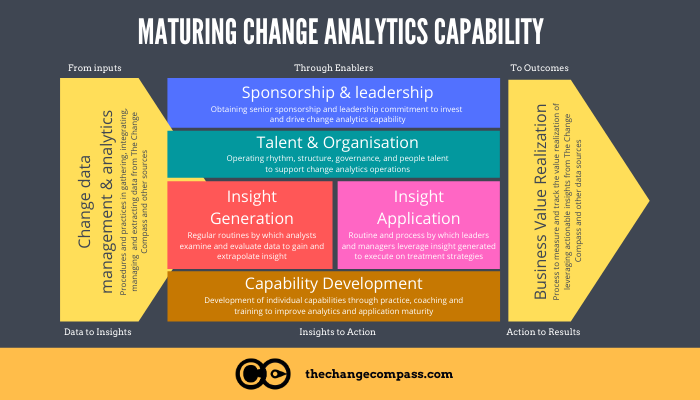
Modern models leverage digital tools and analytics to monitor progress, gather feedback, and adjust strategies in real time. This ensures that change initiatives remain relevant and effective.
Examples of Modern Models:
- Fogg Behavior Model: Focuses on the interplay of motivation, ability, and prompts to drive behavior change.
- Agile Change Management: Applies agile principles—such as iterative planning, cross-functional collaboration, and rapid prototyping—to change initiatives.
- Digital-First Frameworks: Use technology and automation to streamline change processes and provide actionable insights.
Strengths of Modern Models:
- Highly adaptable to fast-changing environments.
- Address both the rational and emotional dimensions of change.
- Foster a culture of continuous improvement and innovation.
Limitations of Modern Models:
- May be challenging to implement in organizations with deeply entrenched hierarchies or resistance to new ways of working.
- Require a higher level of change management capability and digital literacy.
Classic vs. Modern Change Management Models
| Aspect | Classic Models | Modern Models |
|---|---|---|
| Approach | Linear, stepwise | Iterative, agile |
| Leadership Style | Top-down | Collaborative, participatory |
| Focus | Process, structure | Behavior, engagement, data |
| Change Type | Discrete, one-off | Continuous, ongoing |
| Tools & Techniques | Templates, checklists | Digital tools, analytics, nudges |
| Employee Role | Recipients of change | Co-creators of change |
| Measurement | Periodic, post-implementation | Real-time, continuous |
When to Use Each Approach
While modern models offer clear advantages in today’s environment, classic frameworks still have their place—particularly for well-defined, large-scale projects with clear objectives and timelines. In contrast, modern models are better suited to organizations facing ongoing transformation, rapid innovation, or the need for cultural change.
The most effective change leaders often blend elements from both approaches, tailoring their strategies to the unique needs of their organization and the specific challenges at hand.
Applying Modern Change Management Models—Practical Steps for Success
Adopting modern change management models requires organizations to rethink traditional approaches and embrace new ways of driving transformation. Below are practical, action-oriented steps for effectively applying contemporary change management principles, ensuring that change is not only implemented but also sustained.
1. Start with a Clear Vision and Purpose
- Define the “Why”: Articulate the underlying purpose of the change. Employees are more likely to support transformation when they understand its rationale and how it aligns with organizational values and goals.
- Connect to Strategy: Ensure the change initiative is directly linked to broader business objectives. This alignment helps prioritize resources and maintains focus.
2. Engage Stakeholders Early and Often
- Co-Create Solutions: Involve employees, customers, and key stakeholders in designing the change. Use workshops, focus groups, and digital platforms to gather input and foster ownership.
- Transparent Communication: Maintain open, two-way communication channels. Share progress, setbacks, and successes honestly to build trust and reduce uncertainty.
3. Leverage Behavioral Science and Data
- Map Behaviors: Identify specific behaviors that need to change. Use behavioral mapping to clarify what actions drive desired outcomes.
- Apply Nudges and Prompts: Introduce subtle cues, reminders, or incentives that make it easier for people to adopt new behaviors. For example, digital prompts or recognition programs can reinforce positive actions.
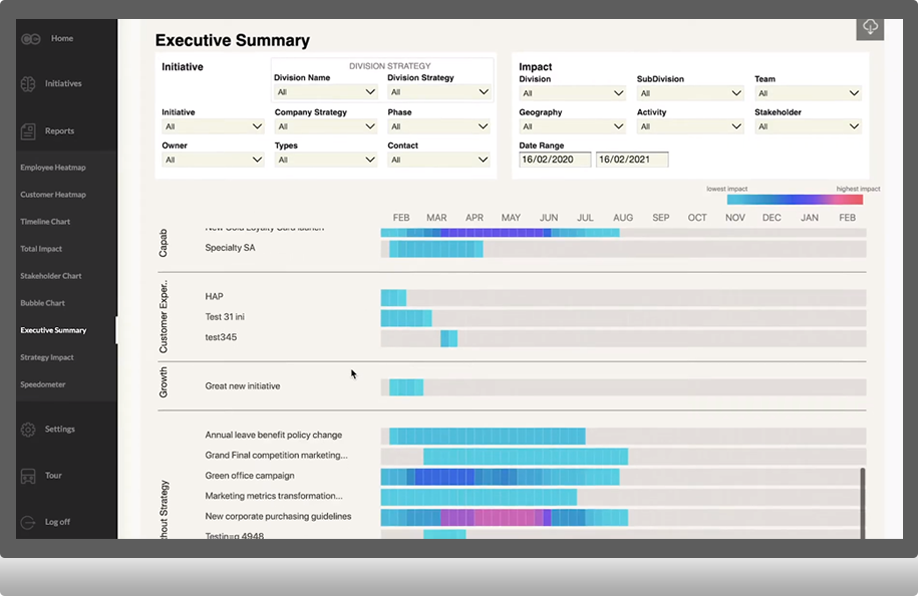
- Monitor with Analytics: Use digital tools to track adoption rates, engagement, and feedback in real time. Adjust strategies based on what the data reveals.
4. Build Agility into the Change Process
- Iterative Implementation: Break the change into manageable phases or sprints. Test solutions on a small scale, gather feedback, and refine before rolling out more broadly.
- Empower Local Teams: Give teams the autonomy to adapt change initiatives to their unique context. Encourage experimentation and learning from both successes and failures.
5. Foster a Culture of Continuous Improvement
- Encourage Feedback Loops: Regularly solicit feedback from all levels of the organization. Use quick surveys, digital suggestion boxes, or team retrospectives to surface insights.
- Celebrate Small Wins: Recognize and reward progress, not just final outcomes. Celebrating incremental achievements helps sustain momentum and reinforces positive change.
- Adapt and Evolve: Be prepared to pivot strategies as new information emerges. Continuous improvement means viewing change as an ongoing journey, not a one-time event.
6. Equip Leaders and Employees for Success
- Upskill Change Leaders: Provide training in agile methodologies, data analytics, and behavioral science. Modern change leaders need a diverse toolkit to navigate complexity.
- Support Employees: Offer resources such as coaching, peer networks, and digital learning modules to help employees build confidence and competence during transitions.
7. Sustain Change with Reinforcement and Measurement
- Embed Change in Systems: Update policies, processes, and technologies to reflect new ways of working. This institutionalizes change and reduces the risk of reverting to old habits.
- Continuous Measurement: Use dashboards and key performance indicators (KPIs) to track progress. Share results openly and use them to guide ongoing adjustments.
Practical Example:
A large financial services firm sought to implement a digital-first customer service model. Instead of mandating the change from the top, leaders formed cross-functional teams to co-design new workflows. Behavioral nudges—such as digital prompts and peer recognition—encouraged adoption. Real-time analytics tracked customer satisfaction and employee engagement, allowing for rapid adjustments. Regular feedback sessions and visible celebration of milestones helped embed the new model as “the way we work.”
Final Thoughts
Organizations that thrive in today’s environment are those that treat change as a continuous, collaborative, and data-informed process. By applying modern change management models—grounded in behavioral science, agility, and real-time measurement—leaders can drive transformation that is not only effective but also enduring. The key is to blend clear vision, stakeholder engagement, and adaptive execution, ensuring that change becomes a core organizational capability rather than a disruptive event.